I’m unavailable on leave October 12th to Nov 1. Apologies for any inconvenience.
Site Content
Additional Information
Welcome to my website blog this part of my website gives a window into just some of the Philosophers, Thinkers, or in modern day the Psychiatrists, Psychologists and Counsellors who have shaped the way we heal, to make meaning and to understand ourselves. I hope it might be a helpful site for students wishing to learn more about Psychology, Psychiatry and the origins of Counselling.
While you are here please check out my virtual gallery in
VR <-click here to go to the vr.
The VR is to encourage learning, engagement and to have a bit of fun.
Learn More
This is a content preview space you can use to get your audience interested in what you have to say so they can’t wait to learn and read more. Pull out the most interesting detail that appears on the page and write it here.
About Us

Paleolithic era (at least 10,000 BCE; probable origins up to 40,000 years ago).
Shamans were spiritual healers and intermediaries between humans and the spirit world, whose main ‘research’ was the practical exploration of consciousness, healing, and the interpretation of natural phenomena. Their core activities included achieving trance states (through drumming, chanting, dancing, or natural substances) to access hidden realms, diagnose and treat illness, guide the tribe, influence weather, locate game, and maintain social cohesion.
Shamanic practice centers on animism—the belief that all things possess spirit—and the use of altered states for accessing information, guidance, and healing.
Where were they from?
Shamanism originated in Siberia and Central Asia, especially among indigenous tribes in those regions, but spread throughout every continent including the Arctic, Americas, Australia, Africa, and Southeast Asia via cultural exchange and adaptation.
Qualifications & Biography:
Shamans were not formally trained in written systems; their qualification stemmed from perceived spiritual abilities, often following a transformative event (sickness, vision, or initiation).
Shamanic traditions were typically passed down orally within tribes or learned through apprenticeship and experience.
Shamans contributed to social order by advising, predicting natural events, guiding rituals, and healing physical and mental illness using spiritual methods (journeying, ritual, plant medicine, ancestor dialogue).
Their understanding was deeply holistic, integrating mind, body, environment, and community.
No single “Shamanic Corpus” exists—the practices are preserved through myth, story, and ritual rather than scientific texts.
Publications:
Oral traditions, rituals, mythologies, and healing ceremonies—no written publications survive from early shamans; archaeological evidence includes cave drawings and burial sites.
Legacy:
Shamanism laid the foundation for many formal religions and medical practices by introducing healing, community leadership, and mind-body integration.
Shamanic ideas were adapted into systems of mysticism, early medicine, psychology, and religion (Buddhism, Christianity, Indigenous American beliefs).
The role persists in various forms—modern shamanic practitioners, spiritual leaders, and alternative therapists draw on ancient traditions for healing and self-discovery.
Core concepts—spiritual healing, trance, altered states, nature reverence—remain influential in complementary medicine and mental health.
Youtube Links:
All About Shamanism by Terence McKenna
Podcasts:
The History of Wellness and Wellbeing. Shamans, Oracles and Gurus
Notes:
Often described as the first professional class in human societies, shamans created a framework for the management of illness, anxiety, uncertainty, and community coherence long before medicine became secular or systematised. Their use of trance and spirit communication to address mental and physical illness marks the beginning of holistic therapeutic practice—linking cosmic, emotional, and bodily states. Shamanic approaches influenced concepts of mental wellbeing and the original roots of counselling around the world.
Ancient Civilisations Mesopotamia and Babylon (about 2600- 5000 years ago) Mesopotamia & Babylon
Timeframe:
c. 3000 BCE – 539 BCE (covering Sumerian, Akkadian, Babylonian, and Assyrian periods).
Main Focus of Research:
Medical practice in Mesopotamia centered on a blend of empirical and supernatural frameworks. Healers aimed to diagnose and treat disease by employing a mix of physical remedies (herbal, mineral, and animal-based treatments) and spiritual interventions (rituals, incantations, and offerings to gods or spirits). There was a strong emphasis on both observation of clinical symptoms and addressing supernatural causes of illness, believed to result from displeased deities or evil beings.
Key advances included the creation of diagnostic manuals, the development of pharmacological recipes, and the codification of medical ethics and responsibilities, as seen in the Code of Hammurabi. The tradition integrated multidisciplinary specialists: the asu (physician, focused on practical treatments and surgery), the ashipu (exorcist, specialising in spiritual healing and magic), and the baru (diviner, expert in omens).
Where were they from?
The ancient civilisations of Mesopotamia—including Sumer, Akkad, Babylonia, and Assyria—were centered in the region of the Tigris and Euphrates rivers (modern-day Iraq, southeastern Turkey, western Iran, and northeastern Syria).
Qualifications & Biography:
Education occurred mainly in temple schools or within healer families. Physicians (asu) trained in medical and surgical techniques, while the ashipu and baru studied ritual, divination, and cuneiform medical texts. There was no formal licensure, but roles were recognised and regulated, especially for prominent practitioners who served at royal courts or temples.
Professional status was defined in legal codes, with the Code of Hammurabi (c. 1754 BCE) setting out guidelines for medical fees and penalties for malpractice. Major diagnoses relied on a combination of symptoms, omens, and detailed observation, exemplified by works like the “Diagnostic Handbook.” Treatments included dietary recommendations, topical and internal medicines, surgeries (mainly for surface injuries), spiritual rituals, and incantations.
Publications:
“Diagnostic Handbook” (Sakikkū): an extensive collection of clinical cases, symptoms, and prognoses, written on clay tablets in cuneiform.
“Treatise of Medical Diagnosis and Prognoses”: the largest surviving medical treatise from ancient Mesopotamia.
Thousands of prescriptions, pharmacological lists, and ritual incantation tablets found in temple and royal libraries.
Code of Hammurabi: includes legal responsibilities and regulation of medical practice.
Legacy:
Mesopotamian medicine established some of the earliest principles of diagnosis, clinical observation, and codified care.
Developed a complex pharmacopoeia and recognised dual models of illness (empirical and spiritual), influencing both Eastern and Western healing traditions.
Their diagnostic approach and many remedies were precursors to later Greco-Roman, Hebrew, and Islamic medical systems.
Babylonian ideas on medical ethics, professional regulation, and the holistic integration of body, mind, social context, and spiritual well-being continue to shape public health and integrative medicine today.
The medical treatises, especially the “Diagnostic Handbook,” constitute the oldest known systematic medical encyclopedias.
Youtube Links:
The Code of Hammurabi institutionalised the responsibilities of healers by establishing fees, standards, and penalties for malpractice, becoming one of the earliest examples of medical regulation. These traditions highlight the intersection of law, medicine, and spirituality in early forms of counselling.
Podcasts:
Radio 4 The Code of Hammurabi
Notes:
Mesopotamian physicians were among the first to separate physical and spiritual approaches to disease but always saw them as intertwined. Their careful clinical observations, recorded on clay tablets, display a surprisingly rational approach for their era, although ritual and magic often accompanied practical therapies. Babylonian legacy endures through their detailed medical records, legal frameworks, and the integration of ethical, natural, and supernatural dimensions in healthcare.
Ideas for you to explore: Comparing Babylonian and Mesopotamian medicine with Hippocratic and shamanic traditions highlights the shift from predominantly spiritual explanations to more systematic clinical observations and ethical frameworks. This historical context can enrich therapy and trauma counselling, offering a holistic understanding of healing that balances biological, psychological, cultural, and spiritual perspectives.
Mental disturbance was explained through the influence of spirits or divine punishment. Priests, healers, and temple exorcists performed prayers, rituals, and chants as curative practices.
Ancient Egypt (about 4500 years ago) Timeframe: c. 3150 BCE – 332 BCE (ending with Alexander the Great’s conquest)
Main Focus of Civilisation:
Ancient Egypt was one of the world’s earliest and longest-lasting civilisations, flourishing along the River Nile in northeastern Africa for over 3,000 years. It is renowned for its advances in architecture, medicine, mathematics, writing, art, and governance. The society revolved around religious belief in divine kingship—the idea that pharaohs were earthly embodiments of gods—and a strong emphasis on the afterlife, leading to monumental creations like pyramids and temples. The rhythm of life was deeply tied to the annual flooding of the Nile, which sustained agriculture and trade.
Location: Northeastern Africa, primarily the Nile River Valley and Delta region (modern-day Egypt).
Key Historical Periods:
Period Approx. Dates (BCE)
Key Features
Predynastic Period
Before 3100
Rise of small farming communities, early trade networks, pottery art, and the development of hieroglyphic writing.
Early Dynastic Period (Dynasties 1–2)
3100–2686
Unification of Upper and Lower Egypt under King Narmer (Menes); founding of Memphis as the capital.
Old Kingdom (Dynasties 3–6)
2686–2181
“Age of the Pyramids” – building of the Great Pyramid of Giza; centralised government under divine kingship.
First Intermediate Period
2181–2055
Political chaos and division between regional rulers after Old Kingdom collapse.
Middle Kingdom (Dynasties 11–13)
2055–1650
Reunification under Mentuhotep II; flourishing trade, literature, and military strength.
Second Intermediate Period
1650–1550
Invasion and rule by Hyksos; technological exchanges (horse-drawn chariots).
New Kingdom (Dynasties 18–20) 1550–1069
Egypt as a global power; reigns of famous pharaohs like Hatshepsut, Akhenaten, Tutankhamun, and Ramses II; massive temples (Karnak, Abu Simbel).
Late Period 664–332
Decline of centralised power; invasions by Assyrians, Persians; eventual conquest by Alexander the Great.
Cultural and Scientific Achievements:
Writing System: Hieroglyphics for religious texts, hieratic and demotic scripts for daily use.
Architecture: Pyramids, temples, and monumental statues expressing cosmic order (ma’at).
Medicine: Surgical knowledge, herbal medicine, and anatomical study based on mummification.
Astronomy & Mathematics: Calendar systems and geometric precision for agricultural and building accuracy.
Religion: Polytheistic with gods like Ra, Osiris, Isis, and Anubis; afterlife central to daily life.
Art: Symbolic, highly stylised, governed by order, proportion, and social hierarchy.
Legacy:
Ancient Egypt influenced subsequent civilisations—especially in architecture, governance, and spirituality. Its concepts of the afterlife, architectural grandeur, and divine kingship profoundly shaped Greek, Roman, and later Western traditions. Today, the civilisation’s legacy is visible in preserved temples, artifacts, and surviving texts that continue to illuminate human history.
Youtube links:
The ENTIRE History of Ancient Egypt
Life Along the Nile: Rise of Egyptian Civilization
Edit Image
Figures such as Imhotep (c. 2600 BCE)—a priest, physician, and architect later deified as the god of medicine—embodied the integration of healing, wisdom, and spirituality. Egyptian medical papyri, including the Ebers Papyrus (c. 1550 BCE) and the Edwin Smith Papyrus (c. 1500 BCE), contained some of the earliest records of neurological / psychological and somatic treatment, encompassing both surgical procedures and prayers. Egyptian practice consistently blended physical remedies, magical incantation, and emotional support, with priestly counsellors providing guidance and reassurance.
Ancient India (about 3500 years ago) Timeframe: c. 7000 BCE – 550 CE (ending with the decline of the Gupta Empire)
Main Focus of Civilisation:
Ancient India refers to the civilisation that flourished on the Indian subcontinent long before medieval kingdoms and empires arose. It is one of the world’s oldest continuous civilisations, known for its profound contributions to religion, philosophy, mathematics, science, urban planning, and art. The foundation of Indian spiritual and social thought—Hinduism, Buddhism, Jainism, and early yoga philosophy—emerged during this time alongside advances in trade, science, and literature.
Where were they from:
The Indian subcontinent – particularly the Indus and Ganges river valleys, extending into today’s India, Pakistan, Nepal, and Bangladesh.
Major Periods and Timelines
PeriodApprox. Dates (BCE/CE)Key FeaturesPrehistoric and Neolithic Agec. 7000–3300 BCEEarly settlements such as Mehrgarh practiced farming and animal domestication; use of stone tools and pottery.Indus Valley Civilisationc. 2600–1900 BCEOne of the world’s first urban civilisations; cities like Harappa, Mohenjo-Daro, and Dholavira featured advanced drainage, brick architecture, and trade networks. Known for undeciphered script and standardised weights and measures.Vedic Periodc. 1500–500 BCEAryan migration led to composition of the Rigveda and other Vedic texts; foundation of early Hinduism and caste formation. Evolution from pastoral to settled agrarian society; emergence of small kingdoms.Mahajanapada Periodc. 600–322 BCESixteen major kingdoms (Mahajanapadas) arose across northern India; Magadha became dominant. Philosophical reform movements like Buddhism (by Siddhartha Gautama) and Jainism (by Mahavira) began.Mauryan Empire322–185 BCEFounded by Chandragupta Maurya; largest empire in Indian history at that time. Emperor Ashoka spread Buddhism internationally after the Kalinga War. Established centralised administration and welfare policies.Post-Mauryan and Early Classical Period185 BCE–300 CERise of Indo-Greek, Kushan, and Satavahana dynasties; flourishing trade along the Silk Road; Gandhara art blended Greco-Indian influences; Sanskrit literature solidified.Gupta Empire (Golden Age)319–550 CEGreat advancements in mathematics (Aryabhata introduced the concept of zero), astronomy, medicine, literature (Kalidasa’s poetry), and philosophy; rise of Hindu revival and temple construction.
Cultural and Scientific Achievements
Writing Systems: Brahmi and Kharosthi scripts emerged; early Sanskrit literature like the Vedas, Upanishads, and epics (Ramayana, Mahabharata).
Philosophy and Religion: Origin of Jainism and Buddhism; development of Hindu dharma and classical yoga.
Science and Mathematics: Decimal system, concept of zero, detailed knowledge of planets, surgery, and metallurgy.
Art and Architecture: Stupas, rock-cut caves (Ajanta, Ellora), and the onset of Hindu temple architecture.
Trade and Society: Extensive maritime and overland trade with Mesopotamia, China, and Rome; complex social hierarchy under evolving caste and varna systems.
Edit Image
Ayurveda, dating as early as 3000 BCE, included practices akin to counselling, such as meditation, dream interpretation, and techniques for coping with trauma. The Sushruta Samhita (c. 500 BCE) described not only physical treatments but also psychiatric conditions and psychosocial interventions. This integration reflects an early understanding of trauma and the therapeutic value of mind-body practices.
Legacy
Ancient India laid the spiritual and intellectual foundations for much of Asia through Hinduism and Buddhism.
Its contributions to mathematics, medicine, and philosophy continue to influence modern disciplines.
The civilisation’s diversity, continuity, and balance of spiritual and material progress remain central to world cultural history.
Youtube links:
The History of India: Every Year
Ancient India Explained
The Vedic and Ayurvedic traditions offered a holistic system of medicine that recognised the inseparability of body, mind, and consciousness.
Ancient China
Ancient China
(about 2300 - 8000 years ago)
Edit Image
Timeframe:
Neolithic period c. 7000 BCE – Han Dynasty c. 220 CE
Main Focus of Civilisation:
Ancient China, one of the world’s four earliest civilisations, developed along the Yellow River and Yangtze River valleys. It is known for its continuous and influential culture marked by advancements in government, philosophy, science, technology, art, and writing. Chinese civilisation focused on harmony with nature, ancestor worship, the Mandate of Heaven concept for rule, and created lasting philosophies like Confucianism, Taoism, and later Buddhism, which shaped Chinese society and governance for millennia.
Location:
Northeastern and Eastern Asia, primarily in the Yellow River (Huang He) and Yangtze River basins.
Key Historical Periods
PeriodApproximate DatesKey FeaturesNeolithic Periodc. 7000–2000 BCEEarly farming communities (Yangshao and Longshan cultures), pottery, animal domestication, early proto-writing. Banpo village notable.Xia Dynastyc. 2100–1600 BCEFirst dynasty in traditional Chinese history; semi-legendary with archaeological support emerging.Shang Dynastyc. 1600–1046 BCEFirst historically verified dynasty; oracle bone script, bronze casting, ancestor worship, early urban centers. Capital mainly Anyang.Zhou Dynastyc. 1046–256 BCELongest dynasty, divided into Western and Eastern Zhou; emergence of Confucianism and Taoism; feudal system; Mandate of Heaven established.Qin Dynasty221–206 BCEFirst imperial unification under Qin Shi Huang; standardised writing, weights, and currency; Great Wall beginnings.Han Dynasty206 BCE – 220 CEGolden Age of China; expansion of Silk Road trade; Confucianism as state orthodoxy; major advances in technology and culture.
Cultural and Scientific Achievements
Writing: Oracle bone script evolved into seal script, and eventually into modern characters; foundation of Chinese literary tradition.
Philosophy: Confucianism emphasised social harmony and ethical governance; Taoism focused on naturalness and harmony with the Tao; Legalism under Qin for strict governance.
Technology: Invention of paper, iron metallurgy, compass, printing (woodblock), and gunpowder origins.
Art and Architecture: Bronze vessels, silk weaving, tomb construction (terracotta warriors in Qin), intricate jade carving.
Society: Development of centralised bureaucracy, civil service exams (starting Sui dynasty later), and family ancestral worship.
Science and Medicine: Advances in astronomy, traditional Chinese medicine principles, acupuncture, herbal remedies.
Legacy
Ancient China’s cultural, political, and scientific systems profoundly shaped East Asia and beyond. Its dynastic cycles, philosophical contributions, and inventions laid groundwork for modern China and influenced Korea, Japan, Vietnam, and the wider world. The concept of harmony—social, cosmic, and natural—remains integral to Chinese identity.
Edit Image
Youtube links:
The ENTIRE History of China | Ancient to Modern
Ancient China Explained
Chinese medicine emphasised restoring harmony between body, emotions, and environment. Physicians considered emotions like fear and anger as causes of imbalance and devised treatments involving herbal remedies, acupuncture, exercise (qi gong), and conversation.
The Huangdi Neijing (c. 300 BCE) discussed stress, mental disturbance, and their remedies through the balance of yin-yang and Five Elements theory. Ancient Chinese thought also located the mind in the heart rather than the brain, underscoring the holistic linkage between emotion, morality, and community. This anticipates integrative and somatic aspects of modern counselling.
Greek and Roman Contributions Edit Image (about 2500 years ago) Alcmaeon Timeframe:(c. 510 BCE – c. 450 BCE)
What was their main focus of research?
Alcmaeon of Croton was an early Greek philosopher, medical theorist, and scientist, often regarded as one of the founders of medical science and philosophy. He was the first to identify the brain as the seat of intelligence and the organ responsible for perception and understanding, distinguishing cognition from sensory experience. Alcmaeon proposed that health is maintained by a balance (isonomia) of opposing forces or humours within the body (e.g., hot-cold, wet-dry), and disease arises when one force dominates. His inquiries extended to anatomy, physiology (including sleep, death, and embryology), psychology, and epistemology. He argued for the immortality of the soul, likening it to the perpetual motion of the stars.
Where were they from?
Born in Croton, Magna Graecia (now Crotone, southern Italy)
Qualifications & Biography:
Possibly a pupil of Pythagoras
Early advocate of empirical observation and dissection for understanding anatomy (notably the optic nerve)
Authored a pioneering treatise on natural philosophy, though the original writings are lost
Made significant contributions bridging medicine and philosophy in the pre-Socratic period
Influenced later thinkers such as Plato, Aristotle, and Hippocrates
Often regarded as a pioneer of the scientific approach to medicine and natural philosophy
Publications:
Wrote a now-lost treatise commonly referred to as On Nature
Ideas preserved through fragments and references by Aristotle, Plato, and later medical writers
Youtube Links:
What did Alcmaeon of Croton discover?
Podcasts:
Notes: A pre-Socratic philosopher and physician, Alcmaeon was one of the first to claim that the brain, not the heart, was the seat of thought and consciousness. This revolutionised theories of the mind, shifting inquiry from mysticism to biological explanation.
Edit Image
Hippocrates
Timeframe: (c. 460 BCE – c. 370 BCE)
What was their main focus of research?
Hippocrates of Kos is widely regarded as the "Father of Medicine" for his foundational work in establishing medicine as a scientific discipline distinct from philosophy and religion. He emphasised clinical observation, careful diagnosis, prognosis, and natural causes of disease rather than attributing illness to supernatural forces. Hippocrates developed ethical guidelines for physicians, exemplified by the Hippocratic Oath, which remains influential in medical ethics. His work laid the groundwork for systematic medical practice, including concepts in surgery, neurology, pulmonology, and the classification of diseases.
Where were they from?
Born on the island of Kos, ancient Greece
Qualifications & Biography:
Likely educated within a family tradition of physicians called the Asclepiads
Established a medical school on Kos around 400 BCE where he and his followers developed new medical methods
Authored or inspired the Hippocratic Corpus, a collection of some 60 medical texts (authorship uncertain)
Introduced the theory of the four humors (blood, phlegm, yellow bile, black bile) as central to health and disease
Advocated for treatments focused on balancing humors using diet, exercise, rest, and environmental factors
Promoted ethical clinical practice emphasising honesty, confidentiality, and non-maleficence
Described diseases such as epilepsy, described supportive surgical techniques, and participated in early medical classification
Publications:
Hippocratic Corpus (including works like On Airs, Waters, and Places, Epidemics, Prognosis)
Various surviving texts on anatomy, clinical medicine, and medical ethics
Legacy:
Revolutionised the understanding and practice of medicine in ancient times
Set standards for medical professionalism and clinical observation that persist today
Inspired scientific approaches to medicine through emphasis on natural explanations and systematic study
Hippocratic Oath remains a foundational ethical guideline for modern physicians worldwide
Youtube Links:
Hippocrates: The life of the father of medicine
The Oath of Hippocrates
Podcasts:
Notes:
Often called the “father of medicine,” Hippocrates rejected mystical accounts of mental illness and argued for natural causes. He classified disorders, proposed the humoural theory (linking mental states to bodily fluids), and advocated lifestyle balance, diet, and dialogue in treatment. His emphasis on naturalistic explanations and observation marks the beginning of clinical reasoning in counselling and psychology.
Edit Image
Socrates
Timeframe: (c. 470 BCE – 399 BCE)
What was their main focus of research?
Socrates is one of the most influential ancient Greek philosophers and is considered the "Father of Western Philosophy." He laid the foundation for Western systems of logic and ethics through his method of dialectical questioning, known as the Socratic Method. Socrates emphasised the importance of recognising one’s own ignorance as a first step toward knowledge and moral development. His philosophy focused on ethical inquiry, the pursuit of virtue, and the examination of life’s fundamental questions, famously claiming that “the unexamined life is not worth living.”
Where were they from?
Born in Athens, Greece
Qualifications & Biography:
Son of Sophroniscus, a stonemason, and Phaenarete, a midwife
Received basic education customary for Athenian citizens, including reading, writing, music, and physical training
Served as a soldier in the Peloponnesian War, noted for his courage and endurance
Did not write any philosophical texts; knowledge comes from his students’ writings, especially Plato and Xenophon
Lived a modest life, often engaging with youth and citizens in public spaces to question and discuss ethical and philosophical issues
Married to Xanthippe; had three sons
Publications:
Youtube Links:
Podcasts:
Socrates pioneered the method of questioning (the elenchus), encouraging individuals to reflect critically on their beliefs. This Socratic dialogue resembles therapeutic questioning, fostering self-awareness and insight. His emphasis on “know thyself” has profoundly influenced counselling, privileging reflection and dialogue as tools for growth.
Edit Image
Plato
Timeframe: (c. 427 BCE – c. 347 BCE)
What was their main focus of research?
Plato was one of the foundational figures in Western philosophy, known for his extensive writings that explored ethics, metaphysics, epistemology, political theory, and the nature of reality. He famously developed the Theory of Forms (Ideas), which posits that beyond the physical world lies a realm of perfect, eternal, and unchanging abstract forms that constitute true reality. Plato’s dialogues often feature Socrates as the main character, engaging in philosophical discourse. He also emphasized the importance of reason and virtue in living a good life and envisioned an ideal society governed by philosopher-kings, as detailed in his work The Republic.
Where were they from?
Born in Athens, Greece, into an aristocratic and politically influential family
Qualifications:
Student of Socrates, whose execution profoundly shaped Plato’s philosophical outlook
Traveled extensively after Socrates’ death, studying in places like Egypt and Italy
Founded the Academy in Athens around 387 BCE, considered one of the earliest institutions of higher learning in the Western world
Taught numerous students, most notably Aristotle
Wrote in the form of dialogues—philosophical conversations exploring multiple perspectives on topics such as justice, knowledge, and love
Publications:
The Republic
Phaedo
Symposium
Apology
Timaeus
Parmenides
Meno
Over 25 dialogues and letters, many of which survive intact and are widely studied
Legacy:
Established the framework for Western philosophical and scientific inquiry
Influenced countless fields, from ethics and politics to mathematics and epistemology
His ideas about education and governance remain foundational to political philosophy and theory
The Academy he founded lasted for nearly 900 years, influencing generations of thinkers
Youtube Links: The Philosophy of Plato
Podcasts: Plato's Pod Dialogues of the works of Plato
Notes: Plato developed models of the psyche, distinguishing between its rational and irrational parts. He argued that well-being required harmony among these aspects, anticipating modern understandings of intrapsychic conflict. His notion of “care of the soul” suggested a moral and rational foundation for mental health.
Edit Image
Aristotle
Timeframe: (384 BCE – 322 BCE)
What was their main focus of research?
Aristotle was a towering figure in ancient Greek philosophy and science, known for his pioneering and systematic exploration across a vast range of subjects including logic, metaphysics, ethics, politics, biology, physics, rhetoric, psychology, and poetics. He founded formal logic and developed scientific methods of inquiry that dominated Western intellectual thought for centuries. Aristotle emphasised empirical observation and classification, making foundational contributions to biology and natural history, and authored key philosophical works on virtue ethics, political theory, and metaphysics.
Where were they from?
Born in Stagira, a city in northern Greece
Qualifications:
Joined Plato’s Academy in Athens at age 17 and studied there for about 20 years
Left the Academy after Plato's death, traveling to various cities including Assos and Lesbos, where he conducted biological research
Tutored Alexander the Great starting in 343 BCE under commission from King Philip II of Macedon
Founded his own school, the Lyceum, in Athens in 335 BCE, which became a major center of learning and research
His students, called Peripatetics, followed him around while he lectured, hence the school’s nickname
Publications:
Nicomachean Ethics
Politics
Metaphysics
Poetics
On the Soul (De Anima)
Physics
Prior Analytics and Posterior Analytics (foundations of formal logic)
Wrote extensively on natural sciences, classification of living things, and philosophy
Legacy:
Developed the first formal system of logic (syllogistic logic) which influenced scientific and philosophical reasoning for over two millennia
His ethical theory stresses virtue as the development of good character and practical wisdom (phronesis)
His political writings explore justice, governance, and the best forms of political organization
Made pioneering contributions to biology and embryology through careful observation and classification
His works were studied and integrated into medieval scholarship and continue to be central in contemporary philosophy and science
Youtube Links:
The Life and Philosophy of Aristotle
Aritstotelian Logic
Podcasts:
Aristotle expanded on the study of the psyche by linking it to logic, ethics, and human flourishing. His writings on memory, emotion, and cognition advanced a systematic approach to human psychology. He also proposed that virtue and reason are essential for balance in life, prefiguring moral and existential aspects of counselling.
Edit Image
Epicurus
Timeframe: (341 BCE – 270 BCE)
What was their main focus of research?
Epicurus was an ancient Greek philosopher who founded the school of philosophy called Epicureanism. His philosophy aimed at achieving a happy, tranquil life characterised by ataraxia (peace and freedom from fear) and aponia (absence of physical pain). Contrary to common misconceptions linking him to indulgent hedonism, Epicurus emphasised simple pleasures, moderation, and the elimination of unnecessary desires. He taught that friendship, philosophy, and living a self-sufficient life were essential to achieving happiness. Epicurus denied the fear of death, arguing that the soul ceases to exist after death and thus should not be feared. He also asserted that the gods do not interfere in human affairs.
Where were they from?
Born on the island of Samos, Greece; later lived and taught in Athens
Qualifications:
Studied under Platonist Pamphilus early in his life
Influenced by the atomistic philosophy of Democritus
Founded The Garden in Athens around 306 BCE, which served as both a philosophical school and community
Publications:
Authored around 300 works, though only a few fragments and letters survive, his teachings were preserved by later followers and commentators
Youtube Links: What makes people Happy?
Edit Image
Podcasts: The Epicurus Podcast
Democritus
Timeframe:(c. 460 BCE – c. 370 BCE)
What was their main focus of research?
Democritus was an ancient Greek pre-Socratic philosopher best known for formulating one of the earliest atomic theories of the universe. He proposed that everything in the world is composed of tiny, indivisible, and indestructible particles called atoms, moving through the void (empty space). His materialist and naturalist approach laid foundational ideas for modern science and philosophy. Democritus was also known as the "laughing philosopher" because of his emphasis on cheerfulness and a positive outlook on life. Besides atomism, he wrote on ethics, mathematics, music, cosmology, and human behaviour, emphasising knowledge and reason over superstition.
Where were they from?
Born in Abdera, Thrace (present-day Greece)
Qualifications:
Student of Leucippus, who initially developed atomistic theory
Traveled widely to Egypt, Babylon, and India to seek knowledge
Prolific writer, producing approximately 70 works on diverse subjects though none survive intact, only quoted or referenced by later authors
Publications:
No surviving original texts, knowledge of his work is through later references especially by Aristotle and other ancient commentators
Credited as the father of materialist natural philosophy and atomic theory
Influenced scientific thought through ideas of atoms and void, predating modern atomic science by over two millennia
Youtube Links:
Democritus, Atoms and Void - History of Philosophy
The Philosophy of Democritus and the Atomists
Podcasts: Democritus and Leuccipus History of Philsosophy
While Democritus argued that emotional well-being required rational understanding—early models of psycho-educative counselling.
Both philosophers viewed philosophy itself as a form of therapy, aimed at cultivating peace of mind. Epicurus stressed moderation, friendship, and rational reflection as antidotes to fear, while Democritus argued that emotional well-being required rational understanding—early models of psycho-educative counselling,
Edit Image
Stoic Philosophers
Epictetus,
Timeframe:
c. 50 – c. 135 AD
Main Focus:
Epictetus was a Greek Stoic philosopher whose teachings have had a profound impact on both ancient and modern philosophy. Born into slavery, he rose to become one of the most respected Stoic teachers of his time. His philosophy focused on personal freedom, self-discipline, virtue, and living in accordance with nature. He emphasized that true happiness and freedom come from mastering one’s desires and emotions and focusing only on what is within our control.
Where were they from:
Born in Hierapolis, Phrygia (modern-day Turkey); lived in Rome and later Nicopolis in Greece.
Qualifications and Biography:
Born a slave, owned by Epaphroditus, secretary to Emperor Nero.
Allowed to study philosophy and became a student of Musonius Rufus, a major Stoic figure.
Gained freedom and taught philosophy in Rome, attracting many students.
Banished from Rome by Emperor Domitian and moved to Nicopolis in Greece, where he founded a philosophy school.
Did not write any books himself; his teachings were recorded by his student Arrian as the Discourses and Enchiridion (Handbook).
Key Teachings:
Dichotomy of Control: Distinguishes between things within our control (our own thoughts, actions) and things outside our control (external events). Focus only on the former.
Virtue as the Highest Good: Emphasized living a virtuous life in harmony with reason and nature.
Personal Responsibility: Advocated for accepting responsibility for our own actions and attitudes, rather than blaming outside factors.
Philosophy as Practical: Viewed philosophy as a guide to living well, not simply as theoretical knowledge.
Emotional Resilience: Encouraged accepting external hardships with calmness and maintaining an unhurt mind regardless of physical pain or misfortune.
Legacy:
His teachings remain foundational texts in Stoicism and are applied widely in modern self-help, cognitive behavioral therapy, and ethical philosophy.
Influenced many later thinkers including Marcus Aurelius, Pascal, and contemporary coaches and psychologists.
Known for practical advice on achieving inner peace, freedom, and flourishing despite external conditions.
Youtube links:
The Discourses of Epictetus (Animated Summary)
Epictetus on Stoic Philosophy and Control
Podcasts: Epictetus - The Enchiridion The Daily Stoic
Edit Image
Seneca
Timeframe:
c. 4 BCE – 65 CE
Main Focus:
Lucius Annaeus Seneca (known as Seneca the Younger) was a Roman Stoic philosopher, statesman, dramatist, and moralist. He is considered one of the most influential Stoic thinkers of Ancient Rome. His philosophy emphasizes virtue, rationality, self-control, and resilience in the face of adversity. Seneca taught that living in accordance with nature and reason leads to tranquility and moral integrity.
Where were they from:
Born in Corduba (modern-day Córdoba), Hispania (Spain), part of the Roman Empire; lived and worked primarily in Rome.
Qualifications and Biography:
The Body Keeps the Score: Brain, Mind, and Body in the Healing of Trauma (2014, international bestseller translated into over 40 languages)
Received extensive education in rhetoric and philosophy in Rome
Experienced political career with ups and downs including exile to Corsica under Emperor Claudius (41 CE) for 8 years
Recalled to Rome by Agrippina to tutor her son, the future Emperor Nero
Served as Nero’s advisor and a prominent figure in Nero’s early reign, helping to govern and reform administration and legal systems
Influence waned as Nero grew volatile and cruel; Seneca retired from court in 62 CE
In 65 CE, Seneca was forced to commit suicide under suspicion of involvement in the Pisonian conspiracy against Nero, though evidence was scant
Authored philosophical essays, moral letters, and tragic plays; his writings remain central texts in Stoic philosophy
Key Teachings:
Emphasized the power of reason and virtue to overcome destructive emotions and external hardships
Advocated accepting fate calmly and focusing only on what is within personal control
Promoted living a life of moral integrity, courage, and preparedness for death
Stressed mindfulness, self-examination, and the impermanence of fortune and worldly goods
Legacy:
Seneca’s works deeply influenced later philosophy, Christian thought, and Renaissance humanism
His writings, like Letters to Lucilius, continue to be widely read for their practical wisdom on ethics and dealing with suffering
Remembered for embodying Stoic ideals both in thought and through his notable calm acceptance of death
His tragedies contributed significantly to Roman literature and later European drama
Youtube links:
Seneca's Secrets to Stress-Free Living | Stoic Philosophy
Seneca: Life and Stoic Philosophy Explained
Podcasts: Seneca the younger
Marcus Aurelius
Edit Image
Timeframe:
121 CE – 180 CE
Main Focus:
Marcus Aurelius Antoninus was Roman Emperor from 161 to 180 CE and a renowned Stoic philosopher. Known as the last of the "Five Good Emperors," Marcus exemplified the ideal of the philosopher-king, combining political power with deep philosophical reflection. His reign saw significant military conflicts, plagues, and internal challenges, yet he strove to maintain a virtuous and just rule.
Where were they from:
Born in Rome, Roman Empire
Qualifications and Biography:
Born to an aristocratic family; father died when Marcus was three
Adopted by Emperor Antoninus Pius and groomed for leadership under the watchful eye of Emperor Hadrian
Studied Greek and Latin literature and philosophy under eminent tutors like Herodes Atticus and Fronto
Co-ruled initially with adoptive brother Lucius Verus, becoming sole emperor after Verus's death in 169 CE
Faced wars on the empire’s northern borders (Marcomannic Wars), the Antonine Plague, and economic struggles
Known for his calm acceptance of hardship and emphasis on duty, self-discipline, and connectedness to nature
Committed Stoic philosopher who wrote Meditations as personal reflections to guide his ethical life
Died in 180 CE during a military campaign in present-day Austria or Serbia
Key Teachings and Philosophy:
Practiced daily reflection and self-examination to cultivate virtue, wisdom, and resilience
Emphasized acceptance of fate, mortality (memento mori), and focus on present duties
Promoted a universal human community governed by reason and justice
Advocated simplicity, humility, and rational control over emotions
Legacy:
Meditations, his personal journal, remains one of the most important and influential texts in Stoic philosophy and moral psychology
Revered as a model of the philosopher-king who ruled with integrity and wisdom under immense pressure
His reign marked the end of the Pax Romana, a two-century period of relative peace and stability in the Roman Empire
Statues and monuments in Rome commemorate his military victories and philosophical stature
Youtube links:
Marcus Aurelius' Life Story: The Rise Of A Philosopher King
Marcus Aurelius - The Stoic Emperor
Podcasts: Marcus Aurelius In Our Time
The Stoics focused on rational mastery of emotions, proposing that distress
originates not from events themselves but from how we interpret them. They encouraged distinguishing between what one can control and what one cannot, promoting resilience. These principles directly anticipate aspects of Cognitive Behavioural Therapy (CBT).
Medieval and Islamic Contributions
Medieval and Islamic Contributions
Edit Image
Avicenna (Ibn Sina, 980–1037 CE)
(+ 1000 years ago)
Edit Image
Born near Bukhara in Afshana (present-day Uzbekistan), Avicenna lived and worked across Persia, including Hamadan and Isfahan, within the Islamic Golden Age intellectual centers.
Avicenna was a prodigy who mastered logic, natural sciences, and medicine by age 16 and began practicing as a court physician by 18. He treated members of the Samanid and Buyid dynasties while producing philosophical and medical treatises exceeding 450 works, of which about 240 survive today.
Avicenna, known in the Islamic world as Ibn Sina, was a Persian polymath regarded as the “Father of Modern Medicine.” His primary scholarly focus was on systematically compiling, refining, and expanding medical, philosophical, and scientific knowledge from ancient Greece and the medieval Islamic world into a unified framework of rational observation and empirical practice.
A towering figure of the Islamic Golden Age, Avicenna wrote extensively on psychological disorders as part of his Canon of Medicine. He described conditions such as melancholia and anxiety, emphasising both physical and emotional remedies. Avicenna acknowledged the importance of imagination, association, and self-reflection—contributions that foreshadowed later psychodynamic and cognitive approaches.
Qualifications:
Revered as both physician and philosopher, his influence persists across Western medical education, Unani and Persian traditional medicine, and integrative health
Publications:
Kitāb al-shifāʾ (Book of the Cure);
A comprehensive work on philosophy, science, and metaphysics that linked logical and spiritual understanding to healing
Kitāb al-najāt (Book of Salvation)
Philosophical contributor to Al-Qānūn fī al-ṭibb (The Canon of Medicine)
A five-volume encyclopedia covering medical theory, anatomy, hygiene, diagnosis, pathology, pharmacology, and compound drugs. It served as Europe and the Islamic world’s standard medical textbook until the 18th century
Youtube: Avicenna The Genius who changed medicine and philsophy
Podcasts: Avicenna History of Philosophy without any gaps
Priests and Monks (400–1800 CE)
Priests and monks in medieval Europe played a vital role in the preservation and practice of medical knowledge. Their primary focus was the integration of spiritual healing, prayer, and herbal medicine within Christian theology. They viewed illness as both a physical affliction and a manifestation of spiritual imbalance, seeking cure through both divine intercession and natural remedies.
Monastic healers developed early forms of preventive care through cleanliness, diet, and moral conduct, echoing faith in the healing power of both God and nature. Many monastic practitioners cultivated medicinal gardens, prepared herbal compounds, and compiled medical texts based on classical sources such as Dioscorides and Galen, merging them with Christian. Pastoral counselling developed in this era as monks and priests provided confession, consolation, and advice, situating human suffering within spiritual frameworks.
The education of monks and priests emphasised literacy, scripture, and classical study. Most medical knowledge came from transcribed Latin manuscripts, often kept in monastic libraries. Physicians of this period were primarily clerics who received informal training through practical experience and herbal experimentation. Monastic orders like the Benedictines and Augustinians promoted self-sufficiency, leading to the creation of elaborate herb gardens described in texts such as Hortulus by Walafrid Strabo (9th century) and later works by Hildegard of Bingen (12th century), whose Physica and Causae et Curae detailed hundreds of medicinal plants and their theological significance.
Monks were forbidden from performing surgical operations after the Papal Edict of 1163, but they remained at the heart of nursing, herbalism, and public care until lay medical practitioners slowly took over these roles.
Legacy:
Monastic and priestly healers preserved classical medical knowledge through transcription, translation, and commentary, enabling its survival into the Renaissance and modern science. They founded the world’s first organised hospitals and infirmaries, creating a model of community-based healthcare rooted in compassion and service.Herbalism and Christian charity merged into a proto-clinical approach that emphasised moral wellness, hygiene, balanced living, and care for the poor.Figures such as Hildegard of Bingen and Saint Benedict symbolised a synthesis of scientific curiosity, spiritual care, and ecological stewardship.Their teachings laid groundwork for ethical medicine and early nursing traditions, reflected later in orders such as the Hospitallers and Sisters of Charity.
Notable contributors:
Desert Fathers Christian Hermits (Collective term)
The Desert Fathers were early Christian hermits whose pursuit of asceticism in the Egyptian desert from the 3rd century laid the foundation for Christian monasticism. Inspired by the example of Jesus’ life of poverty, service, and self-denial, these monks dedicated themselves to a disciplined life of austerity, prayer, and manual labour.
St. Anthony of Egypt (born around 251 in Koma, near Al-Minyā in Middle Egypt—died January 17(believed), 356, at the Dayr Mārī Antonios hermitage near the Red Sea; feast day January 17) was a devout hermit and one of the first of the Desert Fathers. He is widely regarded as the founder and spiritual father of organized Christian monasticism.
Augustine of Hippo emerged as one of the most significant thinkers of the early Christian era, shaping the moral and intellectual landscape of Western civilisation for centuries. Revered as a saint within the Catholic tradition, his teachings guided medieval theological reflection and held an almost unrivaled authority in Western Christianity until modern times.
Saint John Climacus (circa 579–649), a Byzantine monk who resided on Mount Sinai, is best known for authoring The Ladder of Divine Ascent (Climax tou paradeisou), a seminal guide to the spiritual and ascetic life. Known as “John of the Ladder” due to this work, he articulated a path of spiritual progress symbolized as a ladder of thirty steps, reflecting stages of moral and contemplative development toward union with God. He is celebrated as a key figure in the Hesychast tradition, which emphasizes a form of prayer combining repetitive chants with specific bodily postures and regulated breathing to foster deep inner stillness and contemplative prayer. John joined the monastery of St. Catherine around the year 600, later living as a hermit, and was appointed abbot circa 639 until shortly before his death. His writings have had a lasting impact on Christian monastic spirituality and remain influential in Orthodox Christian practice.
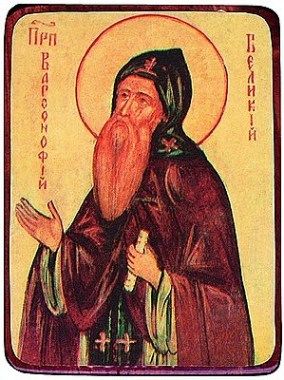
Saints Barsanuphius the Great and John the Prophet lived in the sixth century, during the reign of Emperor Justinian I (483–565). They practiced asceticism at the Monastery of Abba Seridus in Palestine, near the city of Gaza.

Mark the Hermit, who lived into the mid-5th century (died after 430), was a notable Christian ascetic and theologian recognized for his practical and ethical approach to monastic life. Likely serving as abbot of a monastery in Ancyra (modern Ankara), he later embraced a hermit's life in the deserts of Syria and Palestine. His writings, aimed primarily at guiding monks, emphasise the spiritual life grounded in Scripture rather than mystical speculation. He opposed the idea that grace could be earned by works alone, affirming grace and justification as free gifts, with good deeds as the fruits of prior grace—a view that some scholars view as anticipating Reformation theology. Mark is traditionally identified as a disciple of John Chrysostom and was active in theological debates of his time, notably authoring works opposing Nestorianism. Despite limited biographical data, his psychological insight and theological clarity have made him influential in the history of Christian asceticism.
Hesychius of Jerusalem (died around 450) was a revered priest and monk known in the Eastern Church as a distinguished theologian, biblical scholar, and preacher. He played an influential role in the 5th-century debates about the nature of Christ and was celebrated for his extensive annotations covering the entire Bible. Serving as a priest in Jerusalem from approximately 412, Hesychius earned a reputation as a leading theologian and catechist. By 429, he was acclaimed by chroniclers and the Orthodox Menologion as the foremost biblical interpreter and spiritual teacher in Jerusalem and the wider Palestine region. His surviving works, though fragmented, include commentaries on various Old Testament books and offer allegorical and mystical insights that contributed significantly to early Christian exegesis and theological thought.
Publications
Hortulus by Walafrid Strabo
Physica and Causae et Curae
Youtube Links:
Podcasts:
Modern Foundations of Counselling and Psychology 1700's
Philippe Pinel(1745–1826)
Timeframe: (1745 – 1826)
Main focus of research:
Philippe Pinel was a French physician and early psychiatrist, widely recognized as the father of modern psychiatry for introducing “moral treatment”—a humane and compassionate approach to the care of people with mental illness. Rejecting the brutal conditions common in 18th-century asylums, Pinel famously removed the chains from psychiatric patients at the Bicêtre and Salpêtrière hospitals in Paris. He advocated for treating patients with kindness, structured activities, and therapeutic dialogue, believing that mental disorders arose from psychological and social stresses rather than moral failing or demonic possession. His clinical observations and case studies helped form the first systematic classifications of mental disorders, laying the groundwork for medical psychiatry and shifting the field away from mysticism toward scientific inquiry.
Where were they from:
France — born in Jonquières (Tarn region), France.
Qualifications:
- M.D., University of Toulouse (1773)
- Postgraduate studies in medicine at the University of Montpellier (1774–1778)
- Chief Physician at Bicêtre Asylum, Paris (1793–1794)
- Director, Salpêtrière Hospital, Paris (1795–1811)
- Member of the French Academy of Sciences (1804)
Publications:
- Nosographie Philosophique (1798) — first major attempt at classifying mental disorders
- Traité Médico-Philosophique sur l’Aliénation Mentale ou la Manie (1801) — Medico-Philosophical Treatise on Mental Alienation or Mania, seminal work outlining moral therapy
- Memoir on Madness (1794) — preliminary essay proposing humane psychiatric reform
YouTube links:
Philippe Pinel – Founder of Modern Psychiatry and Moral Treatment
Podcasts:
Philippe Pinel and the Birth of Humanistic Psychiatry – Mental Health History Podcast
Modern Foundations of Counselling and Psychology
1800's

Gustav Fechner(1801–1887)
Timeframe: (1801 – 1887)
Main focus of research:
Gustav Theodor Fechner was a German physicist, philosopher, and experimental psychologist, widely regarded as the founder of psychophysics—the quantitative study of the relationship between physical stimuli and psychological experience. His groundbreaking work, Elements of Psychophysics(1860), established methods to measure sensationand introduced the Weber–Fechner Law, which states that the intensity of a perceived sensation increases logarithmically with the intensity of the physical stimulus. Fechner’s contributions helped transform psychology into an experimental science, bridging the gap between philosophy and physiology. His later interests expanded into aesthetics, mind-body monism, and a metaphysical belief in a “living universe,” influencing early psychological theorists such as Wilhelm Wundt and Sigmund Freud.
Where were they from:
Germany — born in Gross Särchen, Lower Lusatia (now part of Poland).
Qualifications:
- Degree in Medicine and Physics, University of Leipzig (1822)
- Professor of Physics, University of Leipzig (1834–1844)
- Transitioned to psychology and philosophy following a near-blindness illness in 1839
- Mentor to Wilhelm Wundt, who later established modern experimental psychology
- Recognized as a pioneer of experimental methodology in psychological research
Publications:
- Elements of Psychophysics (Elemente der Psychophysik, 1860)
- Zend-Avesta: Concerning the Things of Heaven and the Hereafter (1851) — integrated philosophy and psychophysical theory
- Vorschule der Ästhetik (The Aesthetics of Form, 1876) — foundational text on experimental aesthetics
- On Life after Death (1836)
- Numerous essays under the pseudonym “Dr. Mises” exploring science, satire, and spirituality.
YouTube links:
Gustav Fechner – Founder of Psychophysics Explained
Podcasts:
Mind and Measurement – The Legacy of Gustav Fechner (History of Psychology Podcast)
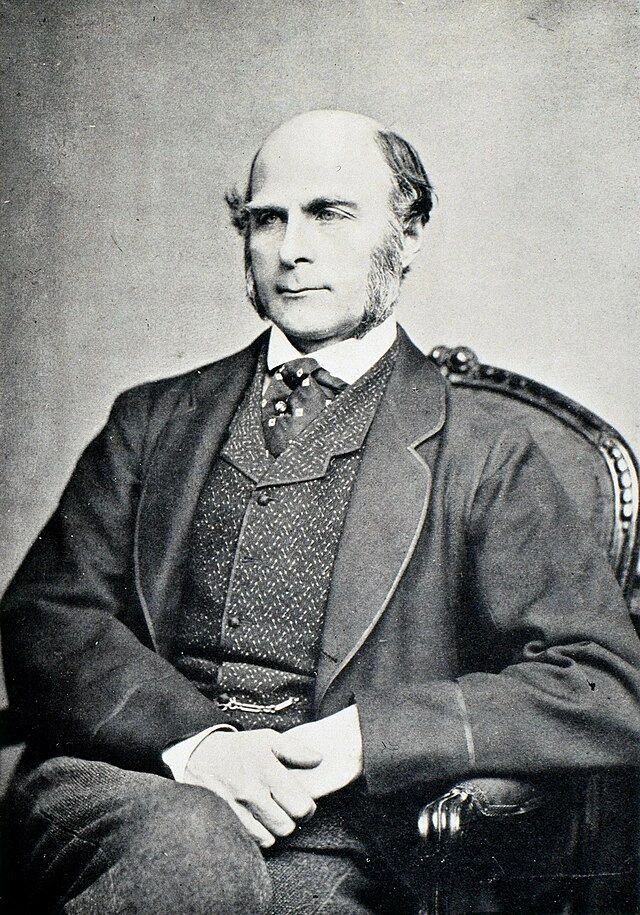
Francis Galton (1822–1911)
Timeframe: (1822 – 1911)
Main focus of research:
Sir Francis Galton was an English polymath, statistician, and psychologist often regarded as the founder of differential psychology and psychometrics. His main focus was on the measurement of individual differences in mental and physical abilities and the hereditary basis of intelligence. Inspired by his cousin Charles Darwin’s theory of natural selection, Galton introduced the scientific study of nature versus nurture, coining that phrase himself. He devised the first mental tests to quantify sensory acuity and reaction time as indicators of intelligence and pioneered the use of statistical methods—including correlation, regression to the mean, and the normal distribution curve—to analyze human traits. Though controversial for his later advocacy of eugenics, Galton’s work laid the foundations for modern psychological testing, behavioral genetics, and statistical psychology.
Where were they from:
England — born near Birmingham, United Kingdom.
Qualifications:
- Studied Mathematics, Medicine, and Natural Science at Trinity College, Cambridge (B.A. 1844)
- Fellow of the Royal Society (1856)
- Honorary Doctorate of Laws, University of Cambridge (1909)
- Founder, Anthropometric Laboratory, South Kensington Museum (1885)
- Knighted for contributions to science (1909)
Publications:
- Hereditary Genius (1869) — established the heritability of intellectual and moral traits
- Inquiries into Human Faculty and Its Development (1883) — formalized the science of psychometrics
- Natural Inheritance (1889) — introduced the correlation coefficient and regression concepts
- Fingerprints (1892) — advanced forensic science through biometric identification
- Essays in Eugenics (1909) — articulated his controversial views on hereditary improvement.
YouTube links:
Francis Galton – Founder of Psychometrics and Eugenics
Podcasts:
Francis Galton and the Origins of Psychological Measurement – History of Psychology Podcast
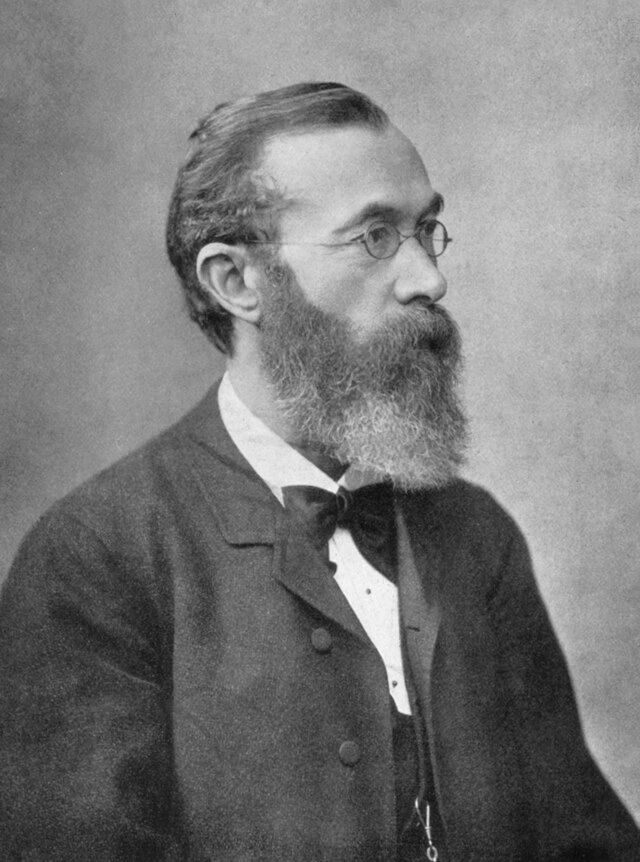
Wilhelm Wundt (1832–1920)
Timeframe: (1832 – 1920)
Main focus of research:
Wilhelm Maximilian Wundt was a German physiologist, philosopher, and psychologist, widely recognized as the “father of experimental psychology.” He established psychology as a distinct scientific discipline by separating it from philosophy and physiology. Wundt’s main focus was the study of conscious experience through experimental methods, using controlled observation and introspection to investigate mental processes such as sensation, perception, attention, and reaction time. He founded the first psychological laboratory at the University of Leipzig in 1879 and trained many influential psychologists, including G. Stanley Hall and Edward Titchener. Wundt’s theoretical approach—called Voluntarism—emphasized the active organization of the mind, while his Völkerpsychologie (Cultural or Folk Psychology) explored how language, myth, and social customs shape human consciousness.
Where were they from:
Germany — born in Neckarau, near Mannheim.
Qualifications:
- M.D., University of Heidelberg (1856)
- Professor of Physiology at Heidelberg and Zurich before joining the University of Leipzig
- Chair of Philosophy at the University of Leipzig (1875–1917), where he founded the Institute for Experimental Psychology (1879)
- Founder and Editor, Philosophische Studien (1881), the first academic journal devoted to psychology
- Mentor to over 180 doctoral students, establishing psychology programs worldwide
Publications:
- Principles of Physiological Psychology (Grundzüge der physiologischen Psychologie, 1874) — foundational text of experimental psychology
- Lectures on Human and Animal Psychology (1863)
- Völkerpsychologie (Cultural Psychology, 1900–1920, 10 volumes) — examined the collective aspects of human thought
- Outlines of Psychology (1896).
YouTube links:
Wilhelm Wundt – The Birth of Experimental Psychology
Podcasts:
Wilhelm Wundt and the Founding of Scientific Psychology – History of Psychology Podcast
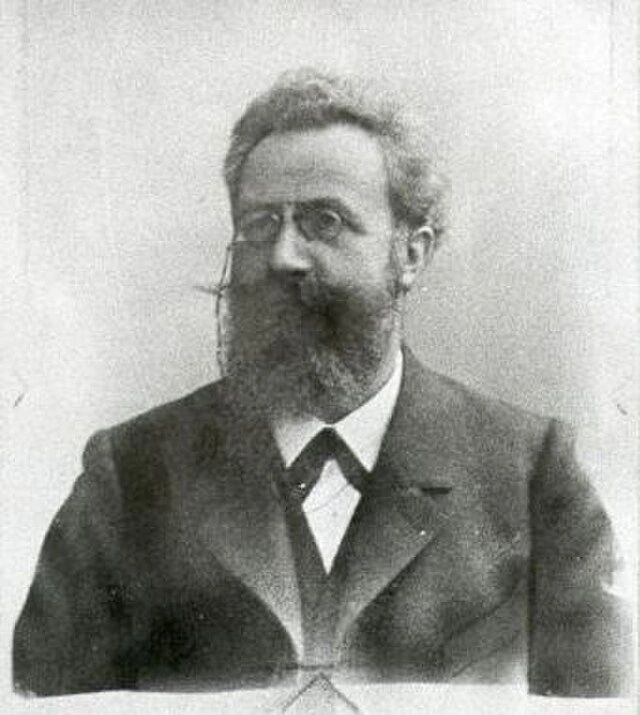
Herman Ebbinghaus(1850–1909)
Timeframe: (1850 – 1909)
Main focus of research:
Hermann Ebbinghaus was a German psychologistwho pioneered the experimental study of memory and learning, becoming the first to quantify how people acquire and forget information over time. He introduced precise experimental methods to examine higher mental processes, which were previously thought to be untestable. His landmark work, Über das Gedächtnis (On Memory, 1885), introduced two of the most influential concepts in cognitive psychology: the Forgetting Curve and the Learning Curve. Using rigorous self-experimentation and nonsense syllables to eliminate meaning-based biases, Ebbinghaus demonstrated that memory retention decreases exponentially with time unless information is rehearsed—a discovery that defined empirical memory research. His work linked psychophysics with cognitive psychology and laid the foundation for modern studies of encoding, storage, and retrieval.
Where were they from:
Germany — born in Barmen (now Wuppertal), Rhine Province.
Qualifications:
- Ph.D. in Philosophy, University of Bonn (1873)
- Professor of Philosophy and Psychology, University of Berlin (1886–1894)
- Professor of Psychology, University of Breslau (1894–1905)
- Chair of Psychology, University of Halle (1905–1909)
- Co-founder of Zeitschrift für Psychologie und Physiologie der Sinnesorgane (Journal of Psychology and Physiology of the Sense Organs, 1890)
- Developer of the Ebbinghaus Completion Test (1897), an early measure of verbal intelligence used in education and clinical psychology
Publications:
- Über das Gedächtnis: Untersuchungen zur experimentellen Psychologie (1885) – Memory: A Contribution to Experimental Psychology (1913, English translation)
- Grundzüge der Psychologie (1897) – Fundamentals of Psychology, widely used as a textbook
- Numerous papers on learning, forgetting, and visual perception.
YouTube links:
Hermann Ebbinghaus – The Science of Memory Explained
Modern Foundations of Counselling and Psychology
1900's ( + 100-120 years ago)
Psychoanalysis and Depth Psychology
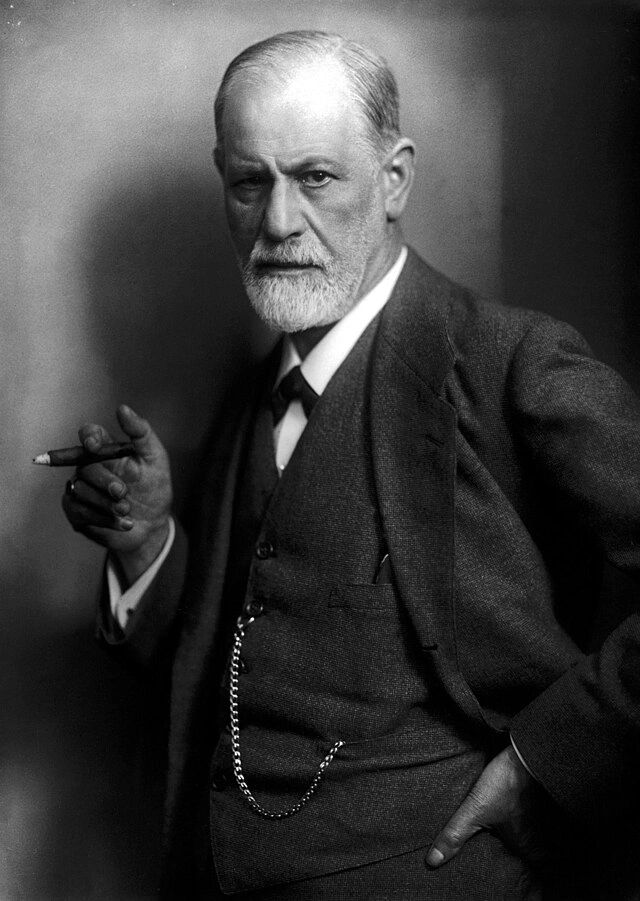
Sigmund Freud (1856–1939)
Timeframe: (1856 – 1939)
Main focus of research:
Sigmund Freud was an Austrian neurologist and the founder of psychoanalysis, a method for investigating and treating psychological disorders by exploring the unconscious mind. His work revolutionized the understanding of human behavior by proposing that much of mental life operates outside of conscious awareness. Freud developed a structural model of the psyche comprised of the id, ego, and superego, each in dynamic tension shaping thought and behavior. He also proposed that personality develops through psychosexual stages (oral, anal, phallic, latency, and genital), where early childhood conflicts influence adult neuroses. Freud introduced free association, dream interpretation, and transference as core psychotherapeutic tools, asserting that bringing unconscious conflicts into awareness facilitates healing. Despite debate and criticism, his theories on repression, defense mechanisms, and the unconscious remain foundational to psychotherapy, literature, and cultural analysis.
Where were they from:
Austria (born in Freiberg, Moravia — now Příbor, Czech Republic; later practiced in Vienna).
Qualifications:
- M.D., University of Vienna (1881)
- Clinical training in neurology under Ernst Brücke and Jean-Martin Charcot
- Private practice in psychoanalysis, Vienna (1886–1938); emigrated to London in 1938
- Co-founder, Vienna Psychoanalytic Society (1908)
- Visiting lecturer at Clark University (1909), introducing psychoanalysis to the United States
Publications:
- The Interpretation of Dreams (1899) — foundational text on symbolism and unconscious processes
- Three Essays on the Theory of Sexuality (1905) — outlined psychosexual development
- Totem and Taboo (1913) — examined primitive psychology and social origins
- Beyond the Pleasure Principle (1920) — introduced the “death drive” and repetition compulsion
- Civilization and Its Discontents (1930) — explored the tension between individual desire and societal norms.
YouTube links:
Sigmund Freud – The Birth of Psychoanalysis
Podcasts:
Sigmund Freud and the Unconscious Mind – History of Psychology Podcast
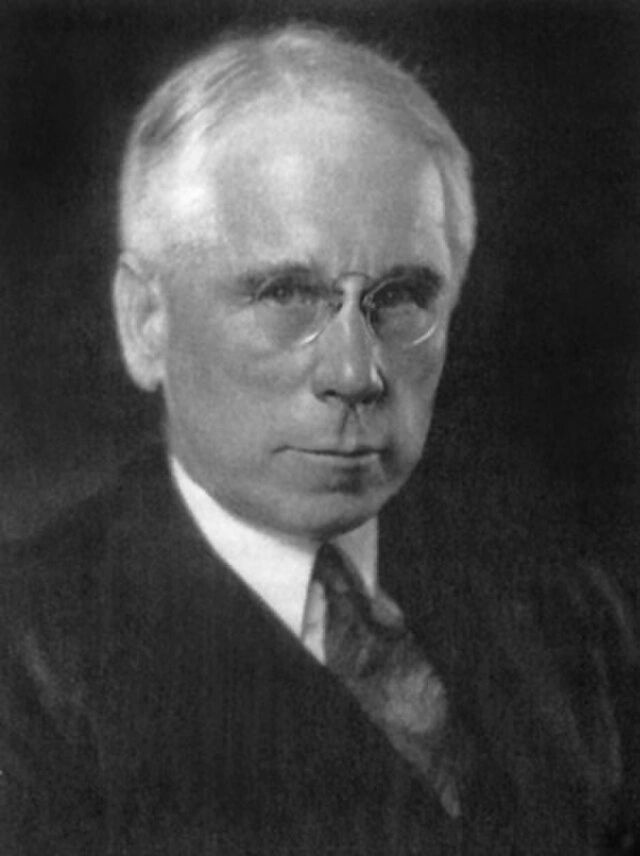
Lightner Witmer(1867–1956)
Timeframe: (1867 – 1956)
Main focus of research:
Lightner Witmer was an American psychologist and educator, recognized as the founder of clinical psychology and the first to apply psychological science directly to human problems. A student of Wilhelm Wundt and James McKeen Cattell, Witmer envisioned psychology as a practical discipline designed to assess, educate, and treat individuals with learning or behavioral difficulties. In 1896, he established the world’s first psychological clinic at the University of Pennsylvania, focusing primarily on children with learning disabilities, attention issues, and developmental delays. His work emphasized interdisciplinary collaboration among psychologists, physicians, and educators and promoted environmental and educational interventions over punitive or purely medical approaches. Witmer’s practice bridged functional psychology, education, and applied science, paving the way for the professions of clinical psychology, school psychology, and special education.
Where were they from:
United States — born in Philadelphia, Pennsylvania.
Qualifications:
- Ph.D. in Psychology, University of Leipzig (1893) under Wilhelm Wundt
- Faculty of Psychology, University of Pennsylvania (1892–1932)
- Founder and Director, The Psychological Clinic, University of Pennsylvania (1896)
- Founder and Editor, The Psychological Clinic journal — first periodical in the field (1907)
- Charter member, American Psychological Association (APA) (1892)
- Pioneer in developing practical models for psychoeducational assessment and treatment
Publications:
- Clinical Psychology (1907) — first formal articulation of clinical psychology as a discipline
- The Psychological Clinic (founding journal, 1907–1935) — featured applied psychology case studies
- Numerous papers on child development, learning disabilities, and applied intervention methods.
YouTube links:
Lightner Witmer – Founder of Clinical Psychology
Podcasts:
The Birth of Clinical Psychology – Lightner Witmer’s Legacy (History of Psychology Podcast)

Carl Jung (1875–1961)
Timeframe: (1875 – 1961)
Main focus of research:
Carl Gustav Jung was a Swiss psychiatrist, psychoanalyst, and founder of Analytical Psychology, renowned for his exploration of the unconscious mind, personality types, and symbolic expression. Departing from Freud’s emphasis on repressed sexuality, Jung proposed that the psyche strives for wholeness through a dynamic process of individuation—the integration of conscious and unconscious aspects of the self. Central to his theory is the structure of the psyche, comprising the ego(conscious self), the personal unconscious (forgotten and repressed material), and the collective unconscious, which contains archetypes—universal, inherited symbols such as the Shadow, Anima/Animus, Hero, and Self. Jung believed these archetypes emerge in dreams, myths, religion, and art as expressions of the shared human experience. His work merged psychology, spirituality, and myth, inspiring modern analytic therapy, personality psychology, and transpersonal approaches.
Where were they from:
Switzerland — born in Kesswil, Canton of Thurgau.
Qualifications:
- M.D., University of Basel (1900)
- Psychiatrist, Burghölzli Psychiatric Hospital, Zurich (1900–1909) under Eugen Bleuler
- Collaborator and later critic of Sigmund Freud; President, International Psychoanalytic Association (1910–1914)
- Founder, Psychological Club of Zurich (1916) and C. G. Jung Institute, Küsnacht (1948)
- Honorary Doctorates from universities in Geneva, Harvard, Oxford, and Calcutta
- Lectured widely on symbolism, myth, and dreams, influencing anthropology, art, and theology
Publications:
- Psychological Types (1921) — introduced introversion/extraversion and the four functions (thinking, feeling, sensation, intuition)
- Symbols of Transformation (1912) — explored myth, libido, and archetypal symbolism
- The Archetypes and the Collective Unconscious (1959) — detailed his model of universal psychic structures
- Man and His Symbols (1964, posthumous) — accessible overview of Jungian psychology
- Memories, Dreams, Reflections (1961) — autobiographical insights into his inner and symbolic life.
YouTube links:
Carl Jung – Understanding the Human Psyche
Podcasts:
Carl Jung and the Collective Unconscious – Analytical Psychology in Practice (Jung Platform Podcast)
Modern Foundations of Counselling and Psychology
1900's (100 years or less)
Behavioural, Humanistic, and Cognitive Approaches
Behaviourism (1920s onward)
Watson, Pavlov, and Skinner argued that behaviour is shaped through conditioning. Their work highlighted the importance of reinforcement and learning, later applied to behavioural therapies addressing phobias, habits, and anxiety.
John. B. Watson
Timeframe: (1878 – 1958)
Main focus of research:
John Broadus Watson was an American psychologist best known as the founder of Behaviorism, a school of thought that redefined psychology as the scientific study of observable behavior. Rejecting introspection and the study of consciousness, Watson argued that all behavior is a result of conditioning through interaction with the environment. He proposed that human beings are born as “blank slates” (tabula rasa) and that personality, habits, and emotions are learned through experiences with stimuli and responses. His ideas were rooted in empiricism and determinism, asserting that behavior could be predicted and controlled through manipulation of environmental conditions. Watson’s famous “Little Albert” experiment (1920), conducted with Rosalie Rayner, demonstrated that fear can be learned through classical conditioning, profoundly influencing behavioral psychology, education, and marketing methodologies.
Where were they from:
United States — born in Travelers Rest, near Greenville, South Carolina.
Qualifications:
- Ph.D. in Psychology, University of Chicago (1903)
- Professor of Psychology, Johns Hopkins University (1908–1920)
- President, American Psychological Association (1915)
- Pioneering researcher in comparative psychology and animal learning
- Later career as an advertising executive, applying behavioral principles to consumer behavior
Publications:
- Psychology as the Behaviorist Views It (1913) — the foundational “Behaviorist Manifesto”
- Psychology from the Standpoint of a Behaviorist (1919)
- Behaviorism (1925)
- Psychological Care of Infant and Child (1928).
YouTube links:
John B. Watson – The Birth of Behaviorism
Podcasts:
The Mind as Behavior – The Legacy of John B. Watson (APA Podcast)


Ivan Pavlov
Timeframe: (1849 – 1936)
Main focus of research:
Ivan Petrovich Pavlov was a Russian physiologist best known for discovering classical conditioning (also called Pavlovian conditioning), a foundational concept in behavioral psychology. His work revealed how learning occurs through association, showing that a neutral stimulus can evoke a conditioned response when paired repeatedly with an unconditioned stimulus. Pavlov’s famous experiments with dogs demonstrated that salivation (a reflexive response) could be conditioned to occur simply through the sound of a bell that had been associated with food. He identified key elements of conditioning—unconditioned stimulus (UCS), unconditioned response (UCR), conditioned stimulus (CS), and conditioned response (CR)—which became central to understanding behavioral learning. Pavlov’s research transformed psychology from introspection to objective, experimental methodologies, influencing later figures such as John B. Watson and B. F. Skinner, and laying the groundwork for behaviorism and learning theory.
Where were they from:
Russia — born in Ryazan, Russian Empire.
Qualifications:
- Doctorate in Physiology, Imperial Medical Academy, St. Petersburg (1883)
- Professor of Physiology, University of St. Petersburg
- Director, Institute of Experimental Medicine, St. Petersburg (1890–1936)
- Nobel Prize in Physiology or Medicine (1904) for research on the physiology of digestion
- Member of the Russian Academy of Sciences
Publications:
- Conditioned Reflexes: An Investigation of the Physiological Activity of the Cerebral Cortex (1927)
- Lectures on Conditioned Reflexes (1928–1935)
- Numerous scientific papers on digestion, reflexes, and learning.
YouTube links:
Pavlov’s Classical Conditioning Experiment Explained
Podcasts:
The Legacy of Ivan Pavlov – The Origins of Classical Conditioning (Psychology Podcast)
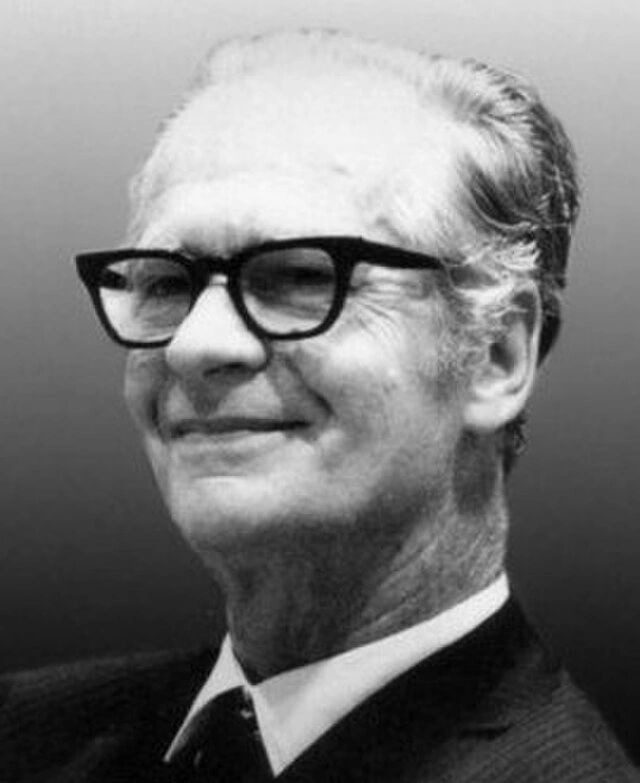
B. F. Skinner
Timeframe: (1904 – 1990)
Main focus of research:
Burrhus Frederic Skinner was an American psychologist, inventor, and social theorist best known as the founder of Radical Behaviorism and a pioneer of Operant Conditioning. His work focused on understanding how environmental consequences shape behavior, leading to the formulation of reinforcement theory—where behaviors are strengthened or weakened by rewards and punishments. Skinner rejected introspection and emphasized observable behavior as the only reliable data for psychological science. He developed key experimental tools such as the operant conditioning chamber (Skinner box) and the cumulative recorder, enabling precise measurement of response patterns. His theories profoundly influenced education, psychotherapy, organizational behavior, and social systems, advocating that human behavior can be systematically modified through positive reinforcement.
Where were they from:
United States — born in Susquehanna, Pennsylvania.
Qualifications:
- B.A. in English Literature, Hamilton College (1926)
- Ph.D. in Psychology, Harvard University (1931)
- Research Fellow and later Professor of Psychology, Harvard University (1948–1974)
- Member, National Academy of Sciences (1967)
- Recipient of APA’s Lifetime Achievement Award and Distinguished Scientific Award
Publications:
- The Behavior of Organisms (1938)
- Walden Two (1948)
- Science and Human Behavior (1953)
- Schedules of Reinforcement (1957, with Charles Ferster)
- Verbal Behavior (1958)
- Beyond Freedom and Dignity (1971).
YouTube links:
B.F. Skinner – Operant Conditioning Explained
Podcasts:
B.F. Skinner and the Origins of Behaviorism – American Psychological Association Podcast

Carl Rogers (1902–1987)
Timeframe: (1902 – 1987)
Main focus of research:
Carl Ransom Rogers was an American psychologist and one of the founders of Humanistic Psychology, best known for creating Person-Centered Therapy (also called Client-Centered Therapy). His theory emphasized the self-actualizing tendency—the innate drive of every individual toward growth, fulfillment, and psychological health. Rogers believed that personal transformation occurs in a safe, empathic, and authentic therapeutic relationship. He identified three core conditions necessary and sufficient for change: unconditional positive regard, empathy, and congruence (authenticity). These conditions enable a client to move from an external locus of evaluation (dependent on others’ approval) to an internal locus of evaluation, where the individual lives according to their own values and self-concept. Rogers’ non-directive, experiential approach reshaped modern counselling, education, and conflict resolution worldwide.
Where were they from:
United States — Oak Park, Illinois.
Qualifications:
- Ph.D. in Clinical Psychology, Columbia University Teachers College (1931)
- Professor at University of Chicago and University of Wisconsin
- Founded the Counseling Center at the University of Chicago (1945)
- President, American Psychological Association (1947)
- Recipient of the APA Distinguished Scientific Contribution Award (1956) and Distinguished Professional Contribution Award (1972)
- Co-founder of the Center for Studies of the Person (La Jolla, California, 1968)
Publications:
- Counseling and Psychotherapy (1942)
- Client-Centered Therapy (1951)
- On Becoming a Person: A Therapist’s View of Psychotherapy (1961)
- A Way of Being (1980)
- Freedom to Learn (1969).
YouTube links:
Carl Rogers – The Power of Empathy (Therapy Excerpt)
Podcasts:
Carl Rogers and the Core Conditions – Counselling Tutor Podcast

Fritz Perls,
Timeframe: (1893 – 1970)
Main focus of research:
Frederick (Fritz) Salomon Perls was a German-born psychiatrist and psychotherapist, best known as the co-founder of Gestalt Therapy with Laura Perls and Paul Goodman. His work emphasized awareness, present-centered experience, and personal responsibility, integrating ideas from Gestalt psychology, existentialism, psychoanalysis, and Eastern philosophy. Gestalt Therapy aimed to help individuals gain self-awareness by focusing on the “here and now” and resolving unfinished business through direct emotional expression. Perls introduced the concept of the “contact boundary”and developed experiential methods such as the empty chair technique and the hot seat, promoting authentic self-expression and emotional integration. His later teachings at the Esalen Institute in California fused Gestalt principles with mindfulness and spontaneity, making him an influential figure in the human potential movement.
Where were they from:
Germany — born in Berlin; later emigrated to South Africa and the United States.
Qualifications:
- M.D., Frederick Wilhelm University, Berlin (1921)
- Psychoanalytic training at the Berlin Institute of Psychoanalysis under Otto Fenichel and Karen Horney
- Military psychiatrist during World Wars I and II
- Founder, South African Institute of Psychoanalysis (1933)
- Co-founder, New York Institute for Gestalt Therapy (1952)
- Workshop leader and resident therapist at Esalen Institute, Big Sur, California (1964–1969)
Publications:
- Ego, Hunger and Aggression: A Revision of Freud’s Theory and Method (1947)
- Gestalt Therapy: Excitement and Growth in the Human Personality (1951, with Paul Goodman and Ralph Hefferline)
- Gestalt Therapy Verbatim (1969)
- In and Out of the Garbage Pail (1969)
- The Gestalt Approach and Eye Witness to Therapy (1973, posthumous).
YouTube links:
Fritz Perls – Gestalt Therapy Session (Esalen Institute)
Podcasts:
Fritz Perls and the Birth of Gestalt Therapy – Humanistic Psychology Podcast
Barbara L. Fredrickson
Timeframe: (1964 – current)
What was their main focus of research?
Barbara L. Fredrickson is a highly influential psychologist best known for her “broaden-and-build theory of positive emotions.” Her research demonstrates how positive emotions such as love, joy, and gratitude expand our awareness, promote creative and adaptive thinking, and help individuals build psychological, social, and physical resources that foster resilience and overall well-being. Fredrickson is recognised for empirically grounding positive psychology and for exploring how fleeting positive states can lead to long-term flourishing.
Where are they from:
United States (born and raised in Minnesota)
Qualifications:
B.A. in Psychology, Carleton College (1986, Summa Cum Laude)
Ph.D. in Psychology, Stanford University (1990)
Postdoctoral fellowship at University of California, Berkeley
Professor and Kenan Distinguished Professor of Psychology, University of North Carolina at Chapel Hill
Director, Positive Emotions and Psychophysiology Laboratory (PEP Lab)
President, International Positive Psychology Association
Publications:
Positivity: Top-Notch Research Reveals the 3-to-1 Ratio That Will Change Your Life (2009)
Love 2.0: How Our Supreme Emotion Affects Everything We Feel, Think, Do, and Become (2013)
Over 100 peer-reviewed scientific articles on positive emotions, health, and well-being
Youtube linke:
Barbara Fredickson: Positive Emotions Open Our Mind
Remaking Love: Barbara Fredrikson at TED
Podcasts:
Choosing Love, Positivity, Positive Emotions
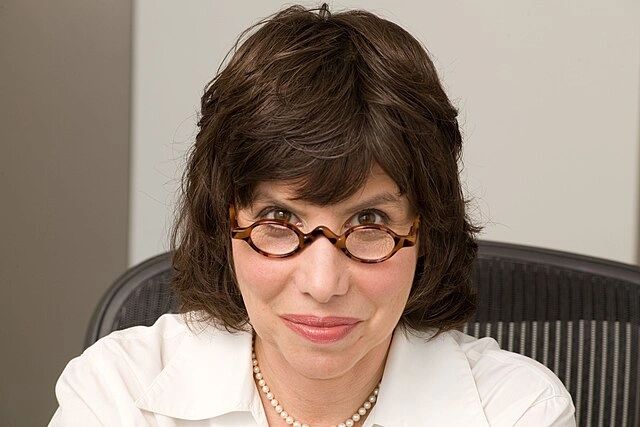
Alison Gopnik
Timeframe: (1955 – current)
What was their main focus of research?
Alison Gopnik is a prominent developmental psychologist whose research focuses on cognitive development, especially in infants and young children. She explores how children learn about the world through exploration, play, and "scientific" hypothesis testing, helping to reshape our understanding of childhood learning, theory of mind, and the origins of knowledge and consciousness. Gopnik’s work bridges psychology, philosophy, and artificial intelligence, emphasising children’s natural curiosity and learning styles.
Where are they from:
Born in Philadelphia, Pennsylvania, United States
Qualifications:
.A. in Philosophy, McGill University (1975)
Ph.D. in Philosophy, Oxford University (1980)
Professor of Psychology and Affiliate Professor of Philosophy, University of California, Berkeley
Fellow of the Cognitive Science Society and recipient of international awards for contributions to developmental psychology
Publications:
The Scientist in the Crib: Minds, Brains, and How Children Learn (1999, with Andrew Meltzoff and Patricia K. Kuhl)
The Philosophical Baby: What Children’s Minds Tell Us About Truth, Love, and the Meaning of Life (2009)
Causal Learning: Psychology, Philosophy, and Computation (2007, with Laura Schulz)
Numerous articles on theory of mind, causal reasoning, cognitive development, and learning
Youtube linke:
What do babies think? Ted Talk
When (and why) Children are More Creative than Adults Ted Talk
Podcasts:
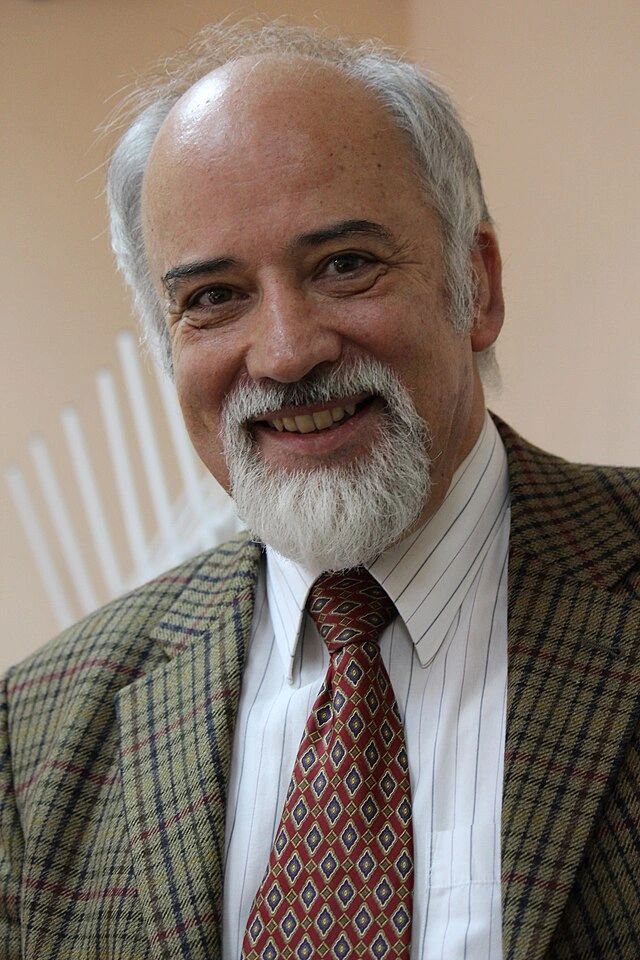
Hans-Werner Gessmann
Timeframe: (1950–2023)
What was their main focus of research?
Hans-Werner Gessmann was a German clinical psychologist and psychotherapist, best known as the founder of humanistic psychodrama—a therapeutic method combining humanistic psychology principles like empathy, authenticity, and personal growth with the experiential techniques of psychodrama. His work has profoundly influenced psychotherapy by enabling clients to resolve conflicts and foster self-understanding through role-playing and group exploration. Gessmann also contributed to research and clinical practice in dyslexia, child psychotherapy, sexual dysfunction, and sleep medicine.
Where are they from:
Born in Duisburg, Germany
Qualifications:
Doctorate in clinical psychology for research on dyslexia (1976)
Founder of the Psychotherapeutic Institute Bergerhausen (PIB) in 1973
Director of the International Center for Clinical Psychology and Psychotherapy (ICCPP)
Visiting Professor at Krasnoyarsk State Medical University, Russia
Court-recognised expert in Germany for transgender diagnosis and therapy
Publications:
Developed and published over 180 scientific articles and books, including the International Journal of Humanistic Psychodrama
Pioneered film-documentation of psychotherapy sessions for educational purposes
Established humanistic psychodrama in child psychotherapy, sexual dysfunction, and used hypnosis in therapy
Developed sleep medicine interventions (including tongue muscle training for sleep apnea)
Youtube linke:
Podcasts:
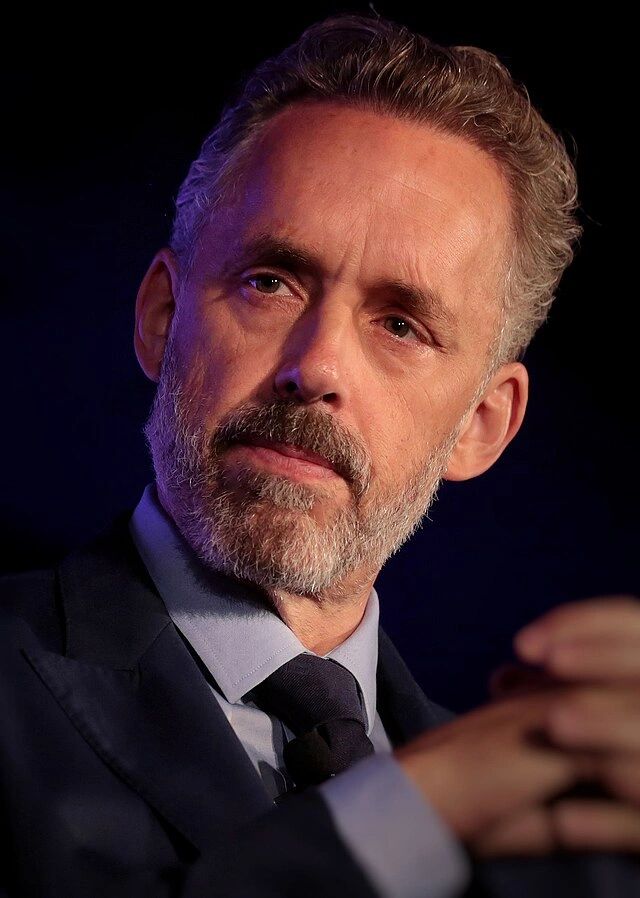
Jordan Peterson
Timeframe: (1962 - current)
What was their main focus of research?
Jordan B. Peterson is a Canadian clinical psychologist and professor emeritus known for his work in personality psychology, clinical psychology, and the psychology of religion and mythology. His research broadly explores personality traits, creativity, belief systems, and meaning. Peterson gained widespread recognition for his exploration of how individuals find purpose, take personal responsibility, and navigate existential challenges, integrating psychology with religious and philosophical themes.
Where are they from:
Born and raised in Alberta, Canada
Qualifications:
B.A. in Political Science (1982) and Psychology (1984) from the University of Alberta
Ph.D. in Clinical Psychology from McGill University (1991)
Assistant Professor at Harvard University (1993–1998)
Full Professor of Psychology at the University of Toronto (1998–2021)
Professor Emeritus of Psychology at University of Toronto since 2021
Chancellor of Ralston College since 2022
Publications:
Maps of Meaning: The Architecture of Belief (1999)
12 Rules for Life: An Antidote to Chaos (2018)
Beyond Order: 12 More Rules for Life (2021)
Numerous influential journal articles on personality, creativity, and social psychology
Youtube linke:
Podcasts:

Richard Wiseman
Timeframe: (1966 – current)
What was their main focus of research?
Richard Wiseman is a British experimental psychologist specializing in the psychology of luck, deception, persuasion, illusion, humor, and paranormal beliefs. His research explores the underlying psychological principles behind everyday phenomena, including the science of self-help and rapid change, and he is also known for debunking paranormal claims through scientific testing. Wiseman’s work emphasizes how behavior, perception, and cognitive biases influence our understanding of luck and success.
Where are they from:
Born in Luton, England
Qualifications:
B.Sc. in Psychology from University College London (First Class Honors)
Ph.D. in Psychology from the University of Edinburgh (1994)
Publications:
The Luck Factor (2003)
59 Seconds (2010)
Numerous academic papers on psychology, illusion, and the science of luck
Youtube linke:
Why our brains are primed for paranormal experiences
Podcasts:
Robert A. Rescorla
Timeframe: (1940 - 2020)
What was their main focus of research?
Robert A. Rescorla was an American psychologist renowned for his pioneering research on classical conditioning, particularly the cognitive processes involved in associative learning. He is best known for co-developing the Rescorla-Wagner model, which revolutionized understanding of how animals and humans learn to predict events based on stimulus associations. His work emphasized that learning is driven by the predictive value or "surprise" of stimuli rather than mere contiguity, significantly advancing the theory of Pavlovian conditioning. Rescorla's research also extended to instrumental training, fear conditioning, and the mechanisms of extinction and relapse.
Where are they from:
Born in Pittsburgh, Pennsylvania, USA; raised in Westfield, New Jersey
Qualifications:
B.A. in Psychology, Swarthmore College (1962)
Ph.D. in Psychology, University of Pennsylvania (1966)
Faculty at Yale University (1966–1981)
Professor at University of Pennsylvania (1981–2009), where he served as Chair of the Psychology Department and Dean of the College of Arts and Sciences
Emeritus Professor of Psychology after retirement
Publications:
Rescorla-Wagner model paper (1972, with Allan Wagner)
Numerous influential papers on Pavlovian conditioning, contingency theory, and animal learning
Contributions to cognitive-behavioural therapy foundations based on his conditioning research
Youtube linke:
The Rescorla-Wagner Model (Intro Psych Tutorial)
Podcasts:
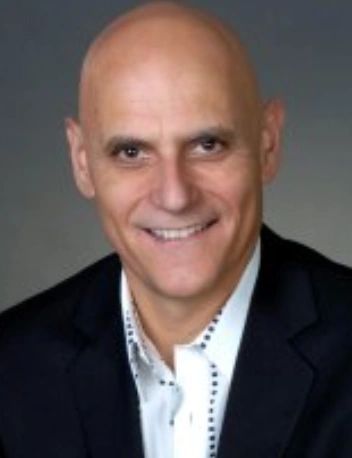
Steven C. Hayes
Timeframe: (1948 – present)
What was their main focus of research?
Steven C. Hayes is a clinical psychologist renowned for developing Acceptance and Commitment Therapy (ACT) and Relational Frame Theory (RFT). His work explores how language, cognition, and behavior interact, particularly how psychological inflexibility and rigid thinking can cause suffering. Hayes’ research emphasises fostering psychological flexibility, which involves acceptance of thoughts and feelings, mindfulness, and values-based living—central tenets of ACT—aimed at improving mental health and human well-being.
Where are they from:
Born in Washington, D.C., United States
Qualifications:
B.A. in Psychology, University of Florida (1970)
Ph.D. in Clinical Psychology, State University of New York at Stony Brook (1977)
Founding President of the Association for Contextual Behavioral Science
Professor Emeritus at the University of Nevada, Reno
Recognised as one of the most impactful psychologists globally, with numerous awards for research contributions
Publications:
Get Out of Your Mind and Into Your Life (2005)
A Liberated Mind (2019)
Co-authored over 35 books and 500 articles on human cognition, psychotherapy, and behavioural science
Youtube links:
The Catch-All Nature of Acceptance and Commitment Therapy
Podcasts:
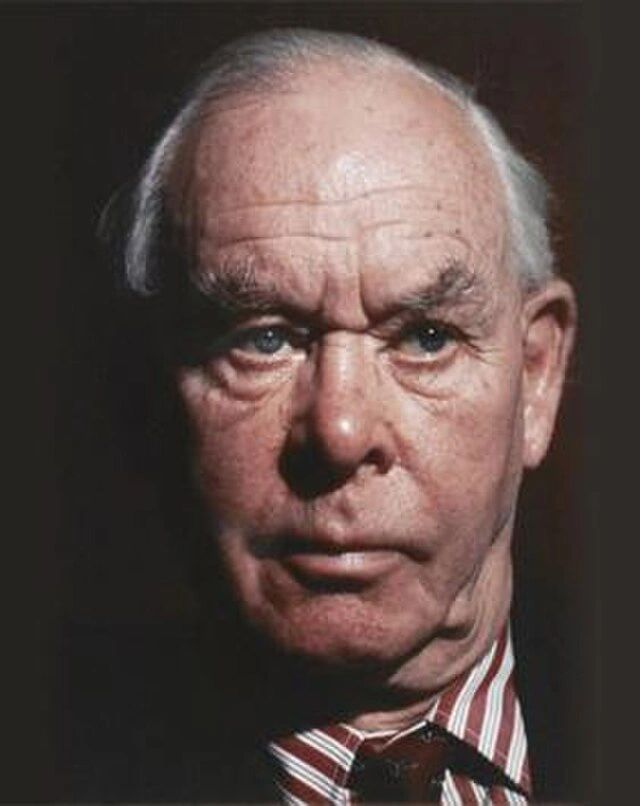
John Bowlby
Timeframe: (1907 – 1990)
What was their main focus of research?
John Bowlby was a British developmental psychologist, psychiatrist, and psychoanalyst best known as the originator of attachment theory. His groundbreaking work posited that children are biologically programmed to form emotional bonds with caregivers, which are crucial for survival and emotional development. Bowlby argued that these early attachments create an “internal working model” that shapes future relationships, mental health, and adaptation throughout life. He also proposed the idea of a critical period for attachment formation in infancy, and highlighted the negative impact of maternal deprivation on cognitive and emotional development.
Where are they from:
Born in London, England
Qualifications:
Studied psychology at Trinity College, Cambridge
Medical training at University College Hospital, London
Trained in psychoanalysis at the Institute of Psychoanalysis, London
Worked at the Tavistock Clinic as Director of Child Psychiatry, and consultant to the World Health Organization
Researched children’s responses to separation and loss during WWII, influencing his later theories
Collaborated closely with Mary Ainsworth, whose “Strange Situation” work furthered attachment theory
Publications:
Attachment and Loss trilogy:
Attachment (1969)
Separation: Anxiety and Anger (1972)
Loss: Sadness and Depression (1980)
Maternal Care and Mental Health (1951)
Numerous articles and influential WHO reports on mental health
Legacy:
Revolutionised developmental psychology and child psychiatry by grounding attachment in evolutionary, biological, and observational science
Shaped modern approaches to mental health, parenting, social care, and education
His theories underpin later work on attachment styles, lifelong relationship patterns, and the effects of early trauma
Continues to influence therapeutic, educational, and research fields worldwide
Youtube links:
John Bowlby and Attachment Theory
Attachment Styles and Mental Health
Podcasts:
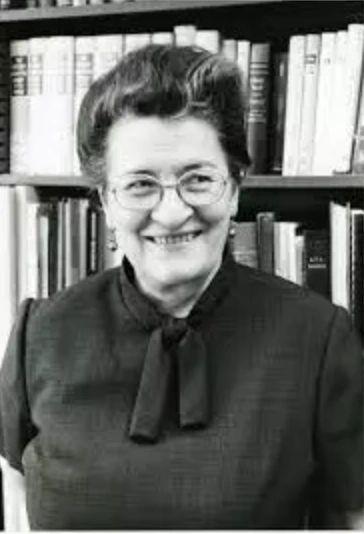
Mary Ainsworth
Timeframe: (1913 – 1999)
What was their main focus of research?
Mary Ainsworth was an American-Canadian developmental psychologist best known for advancing attachment theory with her creation of the “Strange Situation” experiment. This observational procedure revealed different infant attachment styles—secure, avoidant, ambivalent/resistant, and later, disorganized—based on the infant’s behavior during separations and reunions with a caregiver. Her work emphasized the importance of caregiver responsiveness for secure attachment and set the foundation for understanding the lifelong impact of early emotional bonds.
Where are they from:
Born in Glendale, Ohio, USA; raised in Canada
Qualifications:
Bachelor’s, Master’s, and Ph.D. in Psychology from University of Toronto
Served in the Canadian Women’s Army Corps during WWII
Early career at Tavistock Clinic, London, under John Bowlby’s mentorship
Independent field studies in Uganda on mother-infant interaction
Professor at Johns Hopkins University and later at University of Virginia
President of the Society for Research in Child Development (1977–1979)
Fellow of the American Psychological Association and British Psychological Association
Recipient of major awards, including the APA Gold Medal for Life Achievement and G. Stanley Hall Award
Publications:
Infancy in Uganda: Infant Care and the Growth of Love
Co-authored classic research articles and chapters on attachment and child development
Numerous papers defining and refining attachment theory
Legacy:
Developed and validated the Strange Situation, a standard for measuring attachment in psychology
Provided empirical support for Bowlby’s theory and demonstrated the lifelong impact of early attachment
Her research revolutionised child development, parenting practices, and clinical interventions
Continues to be cited as a foundational figure in developmental psychology and mental health
Youtube linke:
Mary Ainsworth and Attachment Theory
The Strange Situation Experiment
Podcasts:
Notes:
https://thevoiceofearlychildhood.com/an-introduction-to-mary-ainsworth/

Donald Meichenbaum
Timeframe: (Born 1940 – present)
What was their main focus of research?
Donald Meichenbaum is a pioneering American clinical psychologist, renowned for developing cognitive behavioral modification and co-founding cognitive-behavioral therapy (CBT), one of the dominant modalities in modern psychotherapy. He is widely recognized for innovative treatments such as stress inoculation training and self-instructional training, which help people transform dysfunctional thinking patterns to improve behavior and emotional well-being. His research addresses a broad range of psychological conditions, including PTSD, anger, and violence prevention.
Where are they from:
Born in New York City, USA
Qualifications:
B.A. from City College of New York (1962)
M.A. and Ph.D. in Clinical Psychology from University of Illinois Urbana-Champaign (1966)
Distinguished Professor Emeritus at the University of Waterloo, Ontario, where he taught for over 30 years
Research Director at The Melissa Institute for Violence Prevention and Treatment in Miami, Florida
Served on numerous editorial boards and co-founded the journal Cognitive Therapy and Research
Voted one of the ten most influential psychotherapists of the 20th century in a 1982 APA survey
Received Lifetime Achievement Awards from the American Psychological Association and Canadian Psychological Association
Publications:
Cognitive-Behavior Modification: An Integrative Approach (1977, classic text in CBT)
Stress Inoculation Training (1985)
Roadmap to Resilience (2012, free resource)
Numerous books and articles on CBT, trauma, coping, and resilience
Legacy:
Foundational leader in the development of CBT, influencing mental health practice worldwide
His work on self-instructional training and stress inoculation remains standard in anxiety, PTSD, and anger treatments
Advanced prevention science and violence intervention programs globally
Known for blending critical scholarship, clinical innovation, and accessible teaching
Youtube links:
Donald Meichenbaum on Cognitive Behavioral Therapy
Stress Inoculation Training Explained
Podcasts:
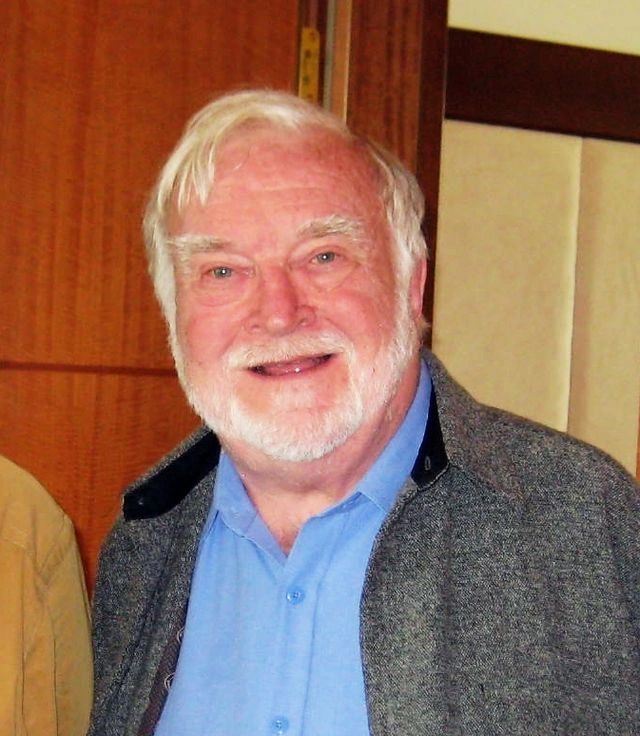
Mihaly Csikszentmihalyi
Timeframe: (1934 – 2021)
What was their main focus of research?
Mihaly Csikszentmihalyi was a Hungarian-American psychologist best known as the originator of flow theory, a conceptualisation of optimal experience and peak performance. Flow refers to a state of complete absorption and deep enjoyment in a challenging activity, where skill and challenge are balanced and a person feels fully present, motivated, and fulfilled. He was also a pioneer in the field of positive psychology, seeking to understand the conditions that foster happiness, creativity, and well-being.
Where are they from:
Born in Fiume, Italy (now Rijeka, Croatia) to Hungarian parents; emigrated to the United States in 1956
Qualifications:
Ph.D. in Human Development from the University of Chicago (1965)
Taught at Lake Forest College and later led the Department of Psychology at University of Chicago
Distinguished Professor of Psychology and Management at Claremont Graduate University
Co-founder of the International Positive Psychology Association
Prolific author and keynote speaker, awarded the Grand Cross of the Order of Merit of Hungary, Clifton Strengths Prize, and Széchenyi Prize
His TED Talk “Flow, the secret to happiness” is among the most popular worldwide
Publications:
Flow: The Psychology of Optimal Experience (1990, seminal work on the theory of flow)
Creativity: Flow and the Psychology of Discovery and Invention (1996)
The Evolving Self (1993)
Good Business: Leadership, Flow, and the Making of Meaning (2003)
Over 250 research articles and 14 books in more than 20 languages
Legacy:
Founded the “flow” theory, which shapes education, sports, arts, leadership, therapy, and personal fulfillment research
Major contributor to positive psychology, collaborating with Martin Seligman to turn academic focus toward happiness, strengths, and flourishing
Work on creativity, motivation, and well-being continues to inspire science, education, business, and the arts worldwide
Remembered for showing that deep engagement is key to human happiness and meaningful living
Youtube links:
Mihaly Csikszentmihalyi – Flow and Happiness (TED Talk)
Podcasts:
Notes:
https://www.ted.com/talks/mihaly_csikszentmihalyi_flow_the_secret_to_happiness
Modern
Laura Boyd
Ok so not a Psychologist but her work is impactful to Psychology and Counselling as we know it today.
"Dr. Boyd is a neuroscientist, physiotherapist and director of the Brain Behaviour lab at UBC Dr. Lara Boyd is also collaborating with researchers from the School of Music and Department of Psychology on the Wall Opera Project initiative."
What was their main focus of research?
Lara Boyd is a neuroscientist and physical therapist whose research focuses on neuroplasticity, motor learning, and stroke rehabilitation. She studies how behavior shapes brain function, changes in neuroplasticity, and how these insights can inform customized rehabilitation therapies for brain injury survivors. Her work integrates advanced brain imaging, transcranial magnetic stimulation, robotics, and behavioral testing to optimize learning and recovery.
How Stress affects learning
https://www.youtube.com/watch?v=empLoDjYdrE
Where are they from:
Born in California, United States
Qualifications:
B.A. in English Literature, Pomona College (1989)
M.S. in Physical Therapy, University of Southern California (1992)
Ph.D. in Neuroscience/Kinesiology, University of Southern California (2001)
Postdoctoral fellowship in Neurology, University of New Mexico (2003)
Professor and Distinguished University Scholar at University of British Columbia since 2006
Canada Research Chair in Neurobiology of Motor Learning
Publications:
Over 180 scientific papers on neuroplasticity, motor learning, stroke recovery
TEDx Talk: "After this, your brain will not be the same"
Youtube links:
After this your brain will not be the same

John Gottman
And Dr. Julie Gottman
Timeframe: (1942 - current)
What was their main focus of research?
John Gottman is a clinical psychologist renowned for his extensive research on relationships, particularly marital stability and divorce prediction. Since the 1970s, he has studied couple interactions, focusing on conflict resolution and behaviors like criticism, defensiveness, and emotional withdrawal. His "Love Lab" research enabled him to predict with over 90% accuracy which couples would stay together or divorce. Gottman’s work emphasises effective communication, emotional understanding, and practical tools to strengthen relationships.
Where are they from:
Born in Dominican Republic, raised in New York City, United States
Qualifications:
B.A. in Mathematics from Fairleigh Dickinson University (1962)
M.A. in Mathematics-Psychology from Massachusetts Institute of Technology (1964)
Ph.D. in Clinical Psychology from University of Wisconsin-Madison (1971)
Professor Emeritus of Psychology at University of Washington
Co-founder of The Gottman Institute with his wife, Julie Schwartz Gottman
Publications:
Over 200 scholarly articles and 40 books on relationships and marriage
Popular books include The Seven Principles for Making Marriage Work and Why Marriages Succeed or Fail
Youtube linke:
Podcasts:
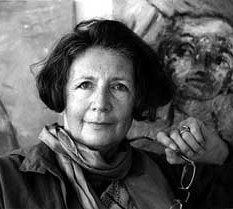
Alice Miller
Timeframe: (1923–2010)
What was their main focus of research?
Alice Miller was a Polish-Swiss psychologist, psychoanalyst, and philosopher best known for her groundbreaking work on childhood trauma and parental abuse. She argued that childhood abuse and neglect create lasting psychological damage that often manifests in adulthood, including mental illness, depression, and perpetuation of violence. Miller highlighted the concept of "poisonous pedagogy," describing harmful child-rearing practices that suppress the true self. She critiqued Freudian psychoanalysis for its failure to adequately address the reality of child abuse and its role in enabling denial of childhood trauma.
Where are they from:
Born in Piotrków Trybunalski, Poland; later lived in Switzerland and France
Qualifications:
Doctorate in Philosophy, Psychology, and Sociology (1953)
Trained and practiced as a psychoanalyst from 1960 to 1980 in Zurich
Later rejected psychoanalysis, focusing instead on childhood trauma research and advocac
Publications:
The Drama of the Gifted Child (1979)
Banished Knowledge (1988)
Breaking Down the Wall of Silence (1990)
Youtube linke:
Podcasts:

Rollo May
Timeframe: (1909 – 1994)
What was their main focus of research?
Rollo May was a seminal American existential psychologist and psychotherapist, known for introducing and popularizing existential psychology in the United States. His work bridged European existential philosophy and humanistic psychology with clinical practice, focusing on themes such as anxiety, freedom, responsibility, love, will, creativity, and the search for meaning. May emphasised the human capacity to face existential dilemmas and find authentic selfhood through courage and creative living. His therapeutic approach encouraged embracing anxiety as a catalyst for personal growth rather than merely a pathology.
Where are they from:
Born in Ada, Ohio, United States
Qualifications:
Earned a bachelor’s degree in English from Oberlin College (1930)
Taught English in Greece, where he was influenced by Alfred Adler’s seminars
Earned a bachelor’s degree in divinity (1938) and later a Ph.D. in clinical psychology from Columbia University
Served as a counsellor to conscientious objectors during World War II
Practiced psychotherapy and taught extensively, including at the New School for Social Research (1955–1975) and later in California
Co-founded the Saybrook Graduate School and Research Center, a hub for humanistic and existential studies
Publications:
The Meaning of Anxiety (1950)
Man’s Search for Himself (1953)
Existence (1958, co-edited)
Love and Will (1969)
The Courage to Create (1975)
Psychology and the Human Dilemma (1967)
Explored stages of human development and the role of anxiety in fostering courage and responsibility
Youtube links:
Major proponent of existential psychotherapy with lasting influence on humanistic psychology
Highlighted the importance of authenticity, creativity, and personal responsibility in mental health
His concepts remain highly relevant in contemporary psychotherapy, especially in addressing anxiety and existential concerns
His work continues to inspire practitioners and scholars interested in the psychological study of meaning and existence
Podcasts:
Heinz Kohut
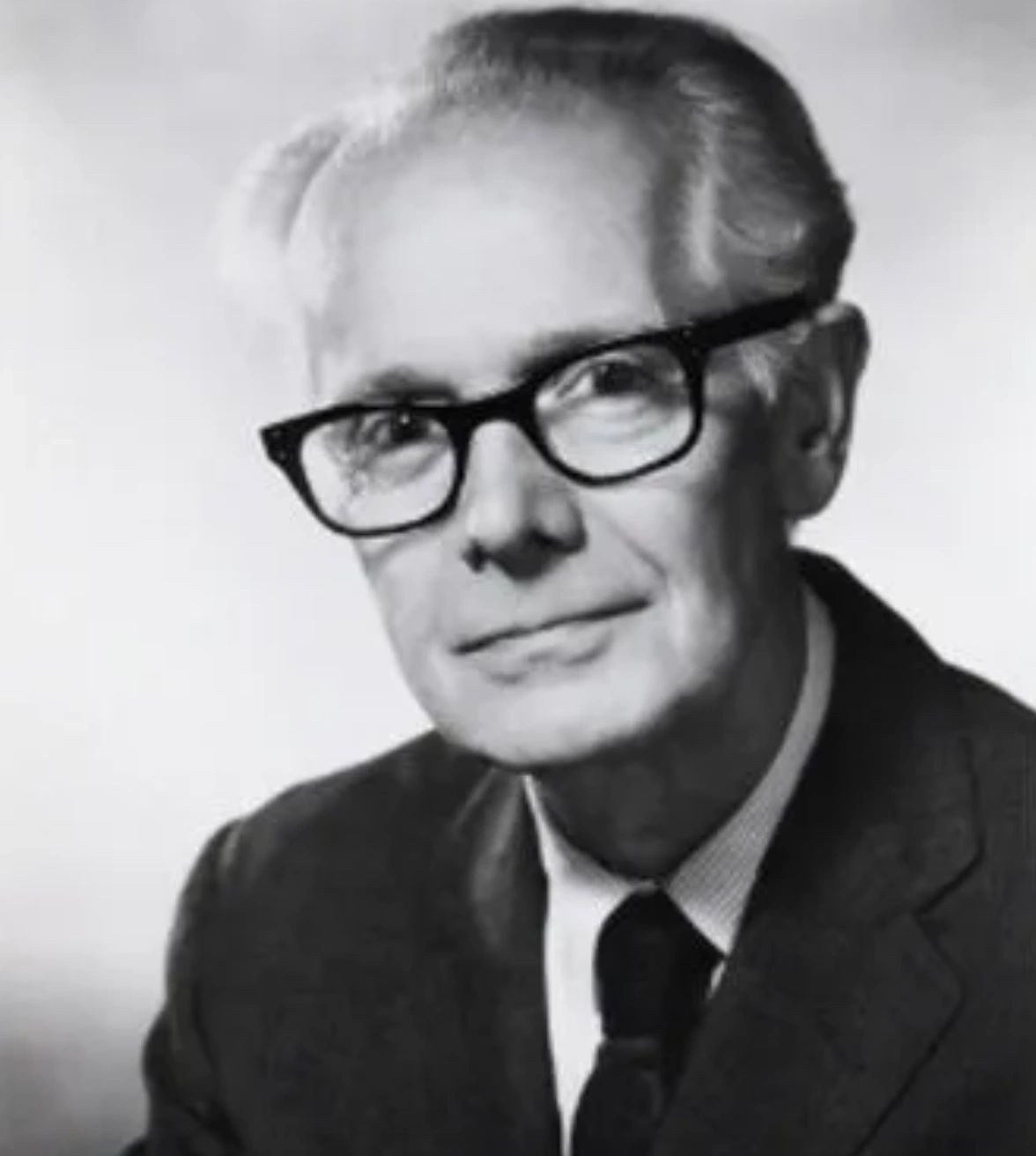
Timeframe: (1913 – 1981)
What was their main focus of research?
Heinz Kohut was a 20th-century psychoanalyst best known for founding self psychology, a school of psychoanalysis that emphasises the development and maintenance of the self. Kohut focused on understanding narcissistic personality disorders and the role of empathy in therapy. His theories diverged significantly from classical Freudian psychoanalysis by prioritising the therapeutic relationship and the patient’s experience of empathy as central to healing, rather than the traditional focus on instinctual drives and conflicts.
Where are they from:
Born in Vienna, Austria; later settled in the United States
Qualifications:
Studied medicine at the University of Vienna, graduating in 1938
Fled Nazi-occupied Europe in 1939, moving first to England, then the United States
Became a faculty member at the University of Chicago and the Chicago Institute for Psychoanalysis
Served as president of the American Psychoanalytic Association (1964) and vice president of the International Psychoanalytic Association
Publications:
The Analysis of the Self (1971)
The Restoration of the Self (1977)
How Does Analysis Cure? (posthumously published in 1984)
Numerous influential papers on narcissism, self psychology, and psychoanalytic theory
Legacy:
Revolutionised psychoanalytic treatment by shifting focus to empathy and the therapeutic relationship
Developed new conceptualisations of narcissism and self-cohesion
Self psychology remains a vibrant field within psychoanalysis, influencing psychotherapy practice and theory worldwide
Youtube links:
Podcasts:

Melanie Klein
Timeframe: (1882 – 1960)
What was their main focus of research?
Melanie Klein was a pioneering psychoanalyst known for her groundbreaking work in child psychoanalysis and the development of object relations theory. She innovatively applied psychoanalytic techniques to very young children, often as young as two years old, using play therapy to explore the unconscious mind through symbolic play. Klein’s theories focused on early emotional development, especially the role of ambivalence, anxiety, and unconscious phantasies in shaping the psyche. She introduced important concepts such as the paranoid-schizoid and depressive positions, which describe emotional states and defenses in early childhood development.
Where are they from:
Born in Vienna, Austria; later lived and worked in London, England
Qualifications:
Initially trained as a lawyer and then shifted to medicine and psychoanalysis
Analyzed by Sándor Ferenczi and influenced by Freud and Karl Abraham
Joined the Berlin Psychoanalytic Institute in 1921, later moved to London in 1926 to join the British Psychoanalytical Society
Although Klein lacked formal academic degrees, her clinical work revolutionised child psychoanalysis
Experienced professional and personal conflicts including a public rift with her daughter, Melitta Schmideberg
Publications:
The Psychoanalysis of Children (1932)
Envy and Gratitude and Other Works (1957)
Narrative of a Child Analysis (posthumously published in 1961)
Numerous influential papers shaping psychoanalytic theory and practice
Youtube links:
Podcasts:
Anna Freud

Timeframe: (1895 – 1982)
What was their main focus of research?
Anna Freud was a pioneering psychoanalyst and founder of child psychoanalysis. She made significant advancements in understanding the ego and its defense mechanisms, describing how the ego protects itself from anxiety and internal conflicts. Her work focused on how children’s emotional development differs from adults, emphasising individualised approaches to child therapy. She adapted and expanded the psychoanalytic method for children, highlighting the importance of play and observation in understanding childhood psychopathology.
Where are they from:
Born in Vienna, Austria; later lived and practiced in London, England
Qualifications:
Youngest daughter of Sigmund Freud
Formal education did not extend beyond high school; largely self-taught through psychoanalytic training and clinical work
Began psychoanalytic practice in 1923, initially focused on children
Became a leading figure in British psychoanalysis after fleeing Nazi-occupied Austria in 1938
Founded the Hampstead Child Therapy Course and Clinic in London in 1947, serving as director from 1952 until her death
Expanded the understanding of defense mechanisms in her influential 1936 book, The Ego and the Mechanisms of Defence
Publications:
The Ego and the Mechanisms of Defence (1936)
Introduction to the Technique of Child Psychoanalysis (1927)
Normality and Pathology in Childhood (1965)
Published extensive case studies from her work with children during wartime and beyond
Legacy:
Regarded as a founder of modern child psychoanalysis and ego psychology
Her classifications of defense mechanisms remain fundamental in psychoanalytic and clinical psychology
Advocated for therapy that includes parents, caregivers, and educational systems alongside direct child treatment
Her observational methods and play therapy techniques transformed clinical approaches to children’s emotional and psychological health
Youtube linke:
Podcasts:

Alfred Adler
Timeframe: (1870 – 1937)
What was their main focus of research?
Alfred Adler was an Austrian medical doctor and psychotherapist who founded the school of individual psychology. His work emphasised the importance of social interest, community feeling, and the pursuit of goals in shaping personality and behavior. Adler is known for exploring concepts such as inferiority complex, striving for superiority, and the holistic nature of human beings. His approach shifted focus from Freud’s emphasis on unconscious sexual drives to conscious motivations and social connectedness in psychological health.
Where are they from:
Born in Vienna, Austria-Hungary
Qualifications:
Medical degree from the University of Vienna in 1895
Initially worked as an ophthalmologist and general practitioner before fully dedicating to psychiatry and psychotherapy
Collaborated early on with Sigmund Freud but later distanced himself due to theoretical differences, founding his own school
Established the Society for Individual Psychology in 1912
Active writer, lecturer, and clinician, influencing educational, family, and counselling practices worldwide
Publications:
The Neurotic Constitution (1912)
Understanding Human Nature (1927)
What Life Could Mean to You (1931)
Numerous essays and lectures on psychology and psychotherapy
Legacy:
Pioneer of holistic and social approach to psychology, emphasising lifestyle and purpose
His theories underpin modern counselling, psychotherapy, and educational psychology
Influenced family therapy, Adlerian therapy, and motivational psychology
Emphasised equality and community, and the role of birth order and family dynamics in personality
Youtube links:
Podcasts:

Gordon Allport
Timeframe: (1897 – 1967)
What was their main focus of research?
Gordon Allport was an influential American psychologist best known for his pioneering work in personality psychology. He emphasised the uniqueness of the individual and proposed that personality consists of identifiable traits that guide behavior. Allport distinguished between common traits (shared by many people) and personal dispositions (unique to the individual), and introduced the concept of cardinal, central, and secondary traits. His work shifted psychology towards understanding personality as a dynamic and organised system rather than solely focusing on pathology.
Where are they from:
Born in Montezuma, Indiana, United States
Qualifications:
B.A. from Harvard University (1919)
Ph.D. in Psychology from Harvard University (1922)
Taught at Harvard University throughout his career, influencing generations of psychologists
Collaborated with other prominent psychologists like Henry Murray and Vernon, but his focus was distinct in emphasising traits and personality
Publications:
Personality: A Psychological Interpretation (1937)
The Nature of Personality (1961)
The Individual and His Religion (1950)
Numerous articles on personality, prejudice, and social psychology
Legacy:
Considered a founder of modern personality psychology
His trait theory laid the groundwork for subsequent personality assessments and research
Emphasised the importance of the self and personal identity in psychology
His work expanded psychology’s scope to include values, religion, and motivation alongside traits
Youtube links:
Podcasts:

Erik Erikson
Timeframe: (1902 – 1994)
What was their main focus of research?
Erik Erikson was a prominent developmental psychologist and psychoanalyst best known for his theory of psychosocial development. He expanded Freud’s psychosexual stages into eight lifelong psychosocial stages, emphasising the social and cultural influences on personality development across the lifespan. Erikson highlighted the importance of identity formation, especially during adolescence, and introduced concepts like identity crisis and ego integrity. His work bridges psychoanalytic theories with social psychology, education, and human development.
Where are they from:
Born in Frankfurt, Germany; later lived and worked in the United States
Qualifications:
Studied art and later trained as a psychoanalyst under Anna Freud in Vienna
Immigrated to the United States in 1933 amidst the rise of Nazism
Held academic positions at Harvard University, Yale University, and the University of California, Berkeley
Worked extensively with children, adolescents, and Native American communities
His interdisciplinary approach combined psychological theory, anthropology, and history.
Publications:
Childhood and Society (1950)
Identity: Youth and Crisis (1968)
The Life Cycle Completed (1982)
Numerous essays and lectures on human development and socialisation
Legacy:
His theory on psychosocial stages is a foundational model in developmental psychology and counselling
Concepts such as identity crisis are widely applied in clinical, educational, and social contexts
His humanistic and culturally sensitive approach continues to influence psychology, psychotherapy, and education
Youtube link:
Eriksons 8 Stage of Developmen
Ericksons Theory of Psychosocial Development
Podcasts:
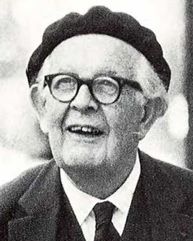
Jean Piaget
Timeframe: (1896 – 1980)
What was their main focus of research?
Jean Piaget was a Swiss developmental psychologist and epistemologist best known for his theory of cognitive development in children. His research focused on how children actively construct knowledge through stages of cognitive growth, fundamentally transforming understanding of childhood learning and development. Piaget identified four key stages of cognitive development: sensorimotor, pre-operational, concrete operational, and formal operational. His work emphasised the importance of maturation, environment, and social interaction in shaping intelligence.
Where are they from:
Born in Neuchâtel, Switzerland
Qualifications:
Early interest in biology and natural science, earning a doctorate in natural sciences at the University of Neuchâtel (1918)
Worked as a psychologist and researcher at the Binet Institute in Geneva, studying children's intelligence testing
Developed clinical interviews alongside observations of children's behavior to explore their reasoning processes
Founded the International Center for Genetic Epistemology in Geneva in 1955
His interdisciplinary approach combined psychology, biology, philosophy, and educationPublications:
Publications:
The Language and Thought of the Child (1923)
The Origins of Intelligence in Children (1952)
The Child’s Conception of the World (1926)
The Psychology of Intelligence (1950)
The Construction of Reality in the Child (1955)
Legacy:
Considered one of the most influential figures in developmental psychology and education
His cognitive developmental theory underpins modern educational curricula worldwide
His ideas laid the foundation for constructivist teaching methods
Influenced fields of psychology, education, and philosophy concerning learning and intellectual growth
Youtube link:
Piagets Stages of Cognitive Development
Podcasts:
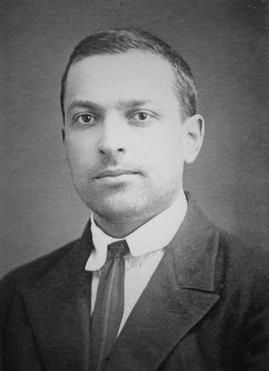
Lev Vygotsky
Timeframe: (1896 – 1934)
What was their main focus of research?
Lev Vygotsky was a pioneering Soviet psychologist known for founding cultural-historical psychology and his sociocultural theory of cognitive development. He emphasised the role of social interaction, culture, and language as fundamental to cognitive development and higher mental functions. Vygotsky introduced the concept of the Zone of Proximal Development (ZPD), describing the difference between what a learner can do independently and what they can achieve with guidance. He highlighted mediation through cultural tools and symbols, especially language, as central to human psychological growth.
Where are they from:
Born in Orsha, Belarus (then part of the Russian Empire)
Qualifications:
Studied law at Moscow State University, graduating in 1917
Later worked as a teacher and psychologist in various educational and research institutions
Joined the Moscow Institute of Psychology in 1924, where he conducted much of his influential research
Founded an institute for children with learning disabilities
His work was suppressed during Stalin’s regime, gaining recognition only posthumously in the 1950s and beyond
Publications:
Thought and Language (1934, English translation published posthumously)
Mind in Society (collection of his works published posthumously)
Published numerous articles on cognitive development, language, play, and learning disabilities
Legacy:
Vygotsky’s ideas profoundly influenced developmental psychology, education, and special education
His sociocultural theory challenged Piaget’s stages of development by emphasizing the social context
The concept of scaffolding and guided learning, widely used in education, is derived from his ZPD
His work continues to inform contemporary educational theory and psychology globally
Youtube links:
Vygotsky's Theory of Cognitive Development in Social Relationships
Vygotsky's Zone of Proximal Development ZPD
Podcasts:
Modern
Noam Chomsky
Timeframe: (1928 – present)
What was their main focus of research?
Noam Chomsky is an American linguist, cognitive scientist, philosopher, and political activist widely regarded as the father of modern linguistics. He revolutionised the study of language by proposing that humans have an innate biological capacity for language, introducing the theory of generative grammar and the concept of Universal Grammar. Chomsky’s work challenged behaviorist views of language learning and emphasized the deep, underlying structures governing all human languages. Beyond linguistics, he is also a prominent critic of U.S. foreign policy and media.
Where are they from:
Born in Philadelphia, Pennsylvania, United States
Qualifications:
Studied at the University of Pennsylvania, earning a Ph.D. in linguistics in 1955
Joined MIT faculty in 1955, rose to Institute Professor Emeritus
Authored over 150 books spanning linguistics, politics, and social criticism
Active in political advocacy, particularly in anti-war movements and critiques of corporate power and media influence
Publications:
Syntactic Structures (1957)
Aspects of the Theory of Syntax (1965)
Cartesian Linguistics (1966)
The Minimalist Program (1995)
Numerous political writings and critiques of media and U.S. policies
Legacy:
Initiated the cognitive revolution in linguistics and psychology
Universal Grammar theory transformed understanding of language acquisition and cognitive science
Pioneered critiques of empirical behaviorism in psychology, emphasizing innate mental structures
Continues to influence linguistics, philosophy, psychology, and political thought globally
Youtube links:
Noam Chomsky on Language Aquisition
Noam Chompsky on Universal Grammar and the genetics of language
Podcasts:
Kenneth Gergen
Timeframe: (Born 1935 – present)
What was their main focus of research?
Kenneth Gergen is an American social psychologist and a founder of social constructionist theory. His work explores how meanings, knowledge, and realities are created through social processes, language, and relationships rather than existing as objective truths. He critiques traditional scientific and psychological methods, arguing that our understanding of social life is historically and culturally shaped, and he advocates for a relational view of the self and knowledge.
Where are they from:
Born in the United States; long-standing faculty at Swarthmore College
Qualifications:
Bachelor of Arts from Yale University (1957)
Ph.D. in psychology from Duke University (1962)
Assistant Professor of Social Psychology at Harvard University (early 1960s)
Professor at Swarthmore College since 1967; now emeritus
Co-founder of the journals Theory and Psychology, and Qualitative Inquiry in Psychology
President of The Taos Institute, an organization advocating for relational practice in communities, therapy, and organizations
Internationally recognized lecturer and writer on topics of social construction and relational processes
Married to psychologist Mary Gergen, with whom he has collaborated in research and writing
Publications:
Social Psychology as History (1973, classic paper sparking the crisis in social psychology)
The Saturated Self (1991)
An Invitation to Social Construction (2009, accessible introduction to the topic)
Relational Being: Beyond Self and Community (2009)
Realities and Relationships (1994)
Numerous other foundational articles on social constructionism, social theory, and relational ethics
Youtube links:
Kenneth Gergen on Social Constructionism
Podcasts:

Eugene Gendlin
Timeframe: (1926 – 2017)
What was their main focus of research?
Eugene Gendlin was an American philosopher and psychotherapist best known for developing Focusing, a therapeutic process emphasizing direct bodily awareness (“felt sense”) as a guide for personal change. His empirical research demonstrated that clients who could access and articulate their felt experience experienced greater success in psychotherapy. Gendlin’s work integrated philosophy and psychological practice, culminating in the development of Focusing-Oriented Psychotherapy and “Thinking at the Edge,” which support creative problem-solving through bodily experiencing. His innovative methods helped shift psychotherapy toward more experiential, client-centered approaches.
Where are they from:
Born in Vienna, Austria; emigrated to the United States in 1938, escaping Nazi persecution
Qualifications:
Earned a Ph.D. in philosophy at the University of Chicago (1958), studying under Carl Rogers
Research Director at the University of Wisconsin’s Psychiatric Institute (1958–1963), then Associate Professor of Philosophy and Comparative Human Development at the University of Chicago (1964–1995)
Founder and longtime editor of the journal Psychotherapy: Theory, Research and Practice
Founded The Focusing Institute (now The International Focusing Institute) in 1979 to teach and promote Focusing worldwide
Recipient of multiple awards, including the APA’s Distinguished Professional Psychologist of the Year and the Viktor Frankl Prize
Publications:
Experiencing and the Creation of Meaning (1962)
Focusing (1978)
Let Your Body Interpret Your Dreams (1986)
Focusing-Oriented Psychotherapy: A Manual of the Experiential Method (1996)
A Process Model (1996)
Numerous articles advancing experiential and client-centered therapy
Legacy:
Revolutionised experiential therapy, greatly influencing client-centered and humanistic approaches
Focusing is taught and practiced globally for self-help, therapy, and creative thinking
His work is foundational in experiential psychotherapy, philosophy of the implicit, and practical self-inquiry
Continues to impact psychology, counselling, philosophy, and mind-body psychotherapy worldwide
Youtube links:
Focusing with Eugene T. Gendlin Ph.D.
Podcasts:

Thomas Szasz
Timeframe: (1920 – 2012)
What was their main focus of research?
Thomas Szasz was a Hungarian-American psychiatrist and academic who became one of the most influential and controversial critics of modern psychiatry. He challenged the scientific and moral foundations of psychiatric diagnosis and treatment, famously arguing in The Myth of Mental Illness (1961) that mental illness is a social construct rather than a medical disease. Szasz opposed involuntary psychiatric treatment and civil commitment, viewing these as violations of personal liberty and medical ethics.
Where are they from:
Born in Budapest, Hungary; emigrated to the United States in 1938
Qualifications:
Bachelor of Science in physics and M.D. from the University of Cincinnati (1944)
Psychiatry residency at University of Chicago
Psychoanalytic training at the Chicago Institute for Psychoanalysis (1951–1956)
Professor of Psychiatry Emeritus at State University of New York Upstate Medical University
Adjunct scholar at the Cato Institute
Co-founder of the Citizens Commission on Human Rights (CCHR) in 1969, advocating against coercive psychiatry
Authored over 35 books and hundreds of articles, critiquing psychiatry’s role in social control and legal coercion
Publications:
The Myth of Mental Illness: Foundations of a Theory of Personal Conduct (1961)
The Manufacture of Madness (1970)
Numerous works addressing psychiatry, civil liberties, and critiques of psychiatric diagnosis
Youtube links:
Thomas Szasz on Psychiatry and Mental Illness
Critiques of Psychiatry and Civil Rights
Podcasts:

Christopher Peterson
Timeframe: (1950 – 2012)
What was their main focus of research?
Christopher Peterson was a leading figure in positive psychology, renowned for his pioneering work on character strengths, virtues, optimism, and well-being. He co-developed the Values in Action (VIA) Classification of Strengths, a widely used framework identifying universal human strengths that promote fulfillment and positive mental health. Peterson’s research focused on how positive traits and behaviors contribute to health, happiness, and life satisfaction.
Where are they from:
Born in Detroit, Michigan, USA
Qualifications:
Bachelor’s degree in Psychology from the University of Michigan (1972)
Ph.D. in Social Psychology from the University of Colorado Boulder (1976)
Professor of Psychology and Organisational Studies at the University of Michigan, Ann Arbor
Former director of clinical psychology program at the University of Michigan
Member of the Positive Psychology Steering Committee and board of International Positive Psychology Association
Senior fellow at the Positive Psychology Center, University of Pennsylvania
Editor and author of over 300 publications and 15 books
Received numerous awards including the Distinguished Scientific Contributions Award from the American Psychological Association and the prestigious Golden Apple Award for Outstanding Teaching
Publications:
Character Strengths and Virtues (co-authored with Martin Seligman)
A Primer in Positive Psychology
Pursuing the Good Life: 100 Reflections on Positive Psychology
Numerous articles advancing empirical research on optimism, resilience, and the link between traits and physical health
Legacy:
One of the founding fathers of positive psychology alongside Martin Seligman
Developed one of the most influential and empirically validated frameworks for understanding human strengths
His work informs education, therapy, workplace wellbeing programs, and military mental fitness initiatives worldwide
Remembered for his warmth, generosity, and commitment to helping others live meaningful lives
His favorite saying was, “Other people matter. Period.”, reflecting his belief in the power of social connection
Youtube links:
Christopher Peterson on Positive Psychology
Character Strengths and VIA Classification
Podcasts:

David Kolb
Timeframe: (Born 1939 – present)
What was their main focus of research?
David A. Kolb is an American educational theorist and psychologist best known for developing the Experiential Learning Theory (ELT), which emphasises learning as the process of knowledge creation through the transformation of experience. His model describes a four-stage learning cycle—concrete experience, reflective observation, abstract conceptualisation, and active experimentation—highlighting how individuals learn by engaging with and reflecting on experiences. Kolb’s theory has been widely applied in education, management, and professional development.
Where are they from:
Born in Moline, Illinois, USA
Qualifications:
Bachelor of Arts from Knox College (1961)
Master’s (1964) and Ph.D. (1967) in Social Psychology from Harvard University
Professor Emeritus of Organizational Behavior at Case Western Reserve University’s Weatherhead School of Management
Founded Experience Based Learning Systems, LLC (EBLS) to advance experiential learning research and practice
Worked as professor at MIT Sloan School of Management and other institutions
Has written extensively on experiential learning, career development, and organisational behaviour
Publications:
Experiential Learning: Experience as the Source of Learning and Development
How You Learn Is How You Live: Nine Ways of Learning That Can Transform Your Life
Conversational Learning: An Experiential Approach to Knowledge Creation
Innovation in Professional Education: Steps on a Journey from Teaching to Learning
Numerous journal articles and book chapters on learning theory and education
Legacy:
Pioneered one of the most influential models of experiential learning used worldwide in education and training
Developed Kolb Learning Style Inventory (LSI) to assess individual learning preferences
His work bridges theory and practice in adult education, professional and organisational learning
Continues to serve as a foundation for experiential and reflective learning methods globally
Youtube links:
David Kolb Experiential Learning Theory
Podcasts:
John Dewey
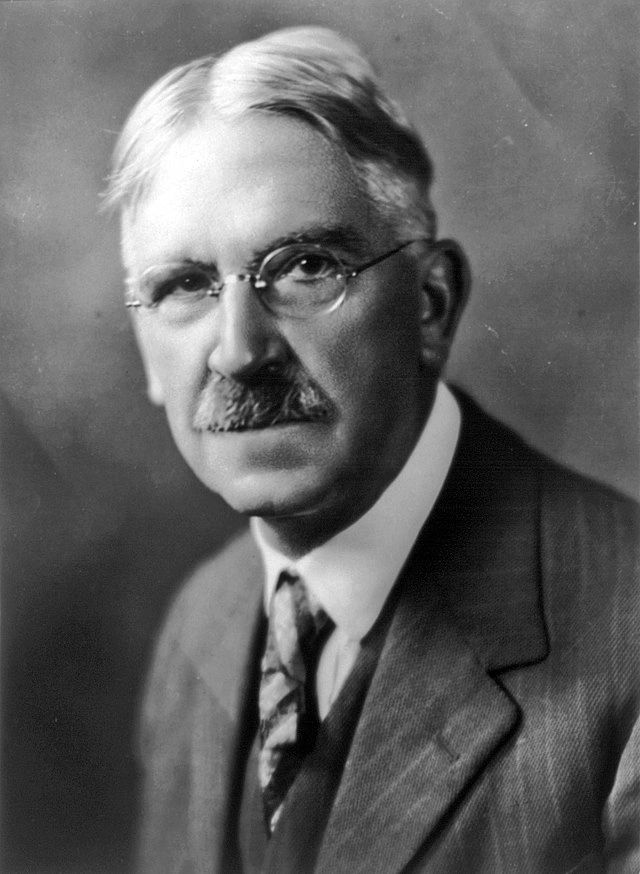
Timeframe: (1859 – 1952)
What was their main focus of research?
John Dewey was an American philosopher, psychologist, and educational reformer, best known as a founder of the philosophical movement of pragmatism and a pioneer in functional psychology. He developed progressive education theory emphasizing experiential learning, critical thinking, and democracy in education. Dewey's philosophy centered on using education to prepare individuals for active participation in democratic society through inquiry, problem-solving, and engagement with real-life experiences.
Where are they from:
Born in Burlington, Vermont, USA
Qualifications:
Bachelor’s degree from University of Vermont (1879)
Ph.D. in Philosophy from Johns Hopkins University (1884)
Faculty positions at University of Michigan, University of Chicago (where he founded the Laboratory Schools), and Columbia University
Author of influential works on education, democracy, psychology, and philosophy
Leading advocate of progressive education, arguing for “learning by doing” and integrating curriculum with students’ interests and experiences
Founded The New School for Social Research in New York
Advocated balance between individual experiences and societal needs in education and democracy
Publications:
Democracy and Education (1916)
Experience and Nature (1925)
The School and Society (1899)
How We Think (1910)
Numerous essays and books on ethics, logic, art, politics, and education reform
Legacy:
Revolutionised educational theory and practice worldwide, influencing child-centered and experiential learning models
Framed education as a social and democratic process, rejecting rote learning and authoritarian teaching
His ideas laid the foundation for problem-based learning, critical pedagogy, and constructivist education approaches
Considered one of the most influential American philosophers and educators of the 20th century
Youtube links:
John Dewey and Progressive Education
Dewey’s Philosophy of Experience
Podcasts:
Marsha M. Linehan
Timeframe: (Born 1943 – present)
What was their main focus of research?
Marsha M. Linehan is an American psychologist and professor known for developing Dialectical Behavior Therapy (DBT), an evidence-based psychotherapy that combines cognitive behavioral techniques with mindfulness and acceptance strategies. DBT was initially developed to treat individuals with borderline personality disorder (BPD) who exhibited chronic suicidality and emotional dysregulation and has since been adapted for other mental health conditions. Her work focuses on balancing acceptance and change, helping clients develop skills in mindfulness, distress tolerance, emotional regulation, and interpersonal effectiveness.
Where are they from:
Born in Tulsa, Oklahoma, USA
Qualifications:
Ph.D. in Psychology from Loyola University, Chicago (1971)
Professor Emeritus of Psychology at the University of Washington, Seattle
Founder of Behavioral Tech LLC, which trains clinicians in DBT
Co-founder of the DBT-Linehan Board of Certification (DBT-LBC) to certify DBT providers
Trained as a spiritual director and associate Zen teacher, integrating mindfulness and Eastern philosophy in her approach
Overcame personal struggles with mental illness, reflected in her memoir Building a Life Worth Living (2020)
Recipient of numerous honors for her clinical innovation and contribution to mental health
Legacy:
DBT is considered a gold-standard treatment for BPD and suicidality, with robust evidence supporting its effectiveness
Revolutionised treatment for serious emotional and behavioral disorders that were previously considered untreatable
Her integration of mindfulness and acceptance into behavior therapy influenced numerous other clinical interventions
Active mentor and trainer, helping disseminate DBT worldwide, dramatically changing mental health treatment practices
DBT’s focus on acceptance alongside change remains a cornerstone concept in modern psychotherapy
Publications:
Cognitive-Behavioral Treatment of Borderline Personality Disorder (1993, foundational DBT manual)
Skills Training Manual for Treating Borderline Personality Disorder (1999)
Building a Life Worth Living: A Memoir (2020)
Numerous research articles and treatment manuals on DBT, mindfulness, suicide prevention, and emotion regulation
Youtube links:
Marsha Linehan on Dialectical Behavior Therapy
DBT Skills and Mindfulness Explained
Podcasts:

Steven Pinker
Timeframe: (Born 1954 – present)
What was their main focus of research?
Steven Pinker is a Canadian-American cognitive psychologist, psycholinguist, and popular science author known for his influential work on language acquisition, mind, cognition, and human nature. He is a prominent advocate of evolutionary psychology and the computational theory of mind. Pinker's research explores how humans acquire language naturally, the cognitive mechanisms behind grammar and language use, and the evolutionary origins of human behavior and cognition. He has also written extensively on violence reduction, rationality, and the nature of human progress.
Where are they from:
Born in Montreal, Quebec, Canada
Qualifications:
Bachelor’s degree in experimental psychology from McGill University (1976)
Ph.D. in Experimental Psychology from Harvard University (1979)
Held faculty positions at MIT, Stanford University, and returned to Harvard University as Johnstone Family Professor in Psychology
Research areas include visual cognition, psycholinguistics, social relations, and the neuroscience and genetics of language
Widely recognised public intellectual and author, known for making cognitive science accessible to general audiences
Publications:
The Language Instinct (1994) – argues that language is an innate instinct shaped by natural selection
How the Mind Works (1997) – finalist for the Pulitzer Prize
The Blank Slate (2002) – critiques the tabula rasa view of human nature
The Stuff of Thought (2007) – explores language as a window into human nature
The Better Angels of Our Nature (2011) – documents the decline of violence in human history
Enlightenment Now (2018) – argues for the progress enabled by reason, science, and humanism
Rationality (2021) – explores the nature and importance of human rationality
Legacy:
Recognised as one of the most influential psychologists of his generation
His work on language acquisition and evolutionary psychology has sparked both acclaim and debate
His popular books have shaped public understanding of language, cognition, and the human condition
Awarded numerous prizes including recognition by Time as one of the 100 most influential people worldwide
Youtube links:
Steven Pinker on Language and Mind
The Better Angels of Our Nature - Violence Decline
Podcasts:

Thomas Joiner
Timeframe: (Born 1965 – present)
What was their main focus of research?
Thomas Joiner is an American clinical psychologist and a leading expert on the psychology, neurobiology, and treatment of suicidal behavior and related conditions. He is best known for formulating the Interpersonal Theory of Suicide, which explains suicidal desire as arising from perceived burdensomeness and thwarted belongingness combined with the acquired capability for suicide through habituation to pain and fear. His work aims to understand, predict, and prevent suicide across diverse populations.
Where are they from:
Grew up in Georgia, USA
Qualifications:
Undergraduate degree from Princeton University
Ph.D. in Clinical Psychology from University of Texas at Austin
Robert O. Lawton Distinguished Professor in the Department of Psychology at Florida State University
Director of the Laboratory for the Study and Prevention of Suicide-Related Conditions and Behaviors at FSU
Editor-in-Chief of Suicide and Life-Threatening Behavior
Recipient of multiple awards including Guggenheim Fellowship, Dublin Award for career achievement in suicide research, Shneidman Award, and James McKeen Cattell Award
Consultant to NASA’s Human Research Program and Director of the Department of Defense-funded Military Suicide Research Consortium
Publications:
Why People Die by Suicide (Harvard University Press, 2005)
Myths About Suicide (Harvard University Press, 2010)
Lonely at the Top (Palgrave MacMillan, 2011)
The Perversion of Virtue: Understanding Murder-Suicide (Oxford University Press, 2014)
Mindlessness: The Corruption of Mindfulness in a Culture of Narcissism (2017)
Numerous peer-reviewed articles on mood disorders, suicide, and resilience
Legacy:
Major contributor to suicide prevention research, with his Interpersonal Theory widely accepted and applied clinically
Influential in shaping policies and interventions for suicide reduction in military and civilian settings
Champion of integrating neuroscience and psychological theory in understanding suicidal behavior
Active clinical consultant and legal expert in cases involving emotional distress and suicide
Youtube links:
Thomas Joiner on Suicide Prevention
Interpersonal Theory of Suicide Explained
Podcasts:

Jon Kabat-Zinn
Interestingly Kabat-Zinn is not a Counsellor, Psychologist or a Psychiatrist but a Professor of Medicine specialising in Molecular Biologist who believes in mindfulness meditation and stress reduction so much he created his own clinic.
Timeframe: (Born 1944 – present)
What was their main focus of research?
Jon Kabat-Zinn is an American professor emeritus of medicine and a pioneering figure in the integration of mindfulness meditation with Western medicine and psychology. He is the creator of the Mindfulness-Based Stress Reduction (MBSR) program, which helps patients manage stress, pain, anxiety, and illness through secular mindfulness practices derived from Buddhist meditation traditions but presented in a scientific context. Kabat-Zinn’s work emphasises moment-to-moment, non-judgmental awareness and the cultivation of mindful attention to improve well-being.
Where are they from:
Born in New York City, USA
Qualifications:
Ph.D. in Molecular Biology from MIT (1971)
Founded the Stress Reduction Clinic and the Center for Mindfulness in Medicine, Health Care, and Society at the University of Massachusetts Medical School (1979)
Trained in Zen Buddhism and Vipassana meditation by prominent teachers such as Thich Nhat Hanh and Seung Sahn
Pioneer in applying mindfulness meditation techniques in clinical medicine and mental health care
Author of several influential books and promoter of mindfulness in healthcare, education, business, and other fields
Publications:
Full Catastrophe Living: Using the Wisdom of Your Body and Mind to Face Stress, Pain, and Illness (1990)
Wherever You Go, There You Are (1994)
Coming to Our Senses: Healing Ourselves and the World Through Mindfulness (2005)
Numerous articles and resources on mindfulness and stress reduction
Legacy:
Key figure in bringing mindfulness meditation into mainstream medicine and psychology globally
His MBSR program has been widely adopted by hospitals, clinics, and wellness centers worldwide
Credited with sparking the modern mindfulness movement, influencing mental health treatment, education, and organisational development
Advocate for mindfulness not just as stress reduction but as a profound practice of awareness and connection with life
Youtube links:
Jon Kabat-Zinn on Mindfulness and MBSR
Mindfulness-Based Stress Reduction Explained
Podcasts:

Gabor Maté
Timeframe: (Born 1944 – present)
What was their main focus of research?
Gabor Maté is a Hungarian-Canadian physician and author renowned for his work on addiction, trauma, childhood development, and their long-term effects on mental and physical health. His approach emphasises that addiction and many disorders stem from unresolved childhood trauma and emotional pain, advocating for compassionate care that addresses root causes rather than just symptoms. Maté also explores links between stress, trauma, and diseases such as ADHD, autoimmune disorders, and cancer.
Where are they from:
Born in Budapest, Hungary; immigrated to Canada
Qualifications:
Trained as a family physician
Extensive experience working with addicted populations, notably Vancouver’s Downtown Eastside
Advocate for harm reduction, defended supervised injection sites like Insite
Explored traditional and alternative healing, including Amazonian plant medicine (ayahuasca) for addiction treatment
Known for blending neuroscience, psychology, and compassionate social critique in his work
Has publicly discussed his own childhood trauma and its impact on his worldview and clinical practice
Publications:
In the Realm of Hungry Ghosts: Close Encounters with Addiction (2008, bestselling and influential)
When the Body Says No: The Cost of Hidden Stress (2003)
Scattered Minds: The Origins and Healing of Attention Deficit Disorder (1999)
The Myth of Normal: Trauma, Illness, and Healing in a Toxic Culture (2022)
Numerous talks, interviews, and writings on trauma, addiction, and healing
Legacy:
Instrumental in shifting public and clinical understanding of addiction as trauma-related
Influential advocate for compassionate, trauma-informed treatment approaches
His work challenges conventional medical and psychiatric models, emphasizing social, emotional, and cultural factors
Has reached global audiences through books, speaking engagements, and media appearances
Youtube links:
Gabor Maté on Childhood Trauma and Addiction
Compassionate Addiction Treatment
Podcasts:

Frances Vaughan
Timeframe: (1939 – 2017)
What was their main focus of research?
Frances Vaughan was an American clinical psychologist and a pioneer in transpersonal psychology, a field that integrates spirituality with psychology to understand the full spectrum of human experience. Her work focused on the integration of psychotherapy and spirituality, exploring how inner personal experiences connect with broader spiritual awareness and growth. She emphasised healing, wholeness, and consciousness expansion through psychological and spiritual practice.
Where are they from:
Based in Mill Valley, California, USA
Qualifications:
Graduated from Stanford University in three years, Phi Beta Kappa
Completed a Ph.D. in clinical psychology
Founding faculty member of the Institute of Transpersonal Psychology
Former clinical faculty member at the University of California, Irvine
Served as president of the Association for Transpersonal Psychology
Served on the board of the Fetzer Institute, which supports mind-body-spirit research
Raised two children and taught internationally, lecturing on psychotherapy and spirituality
Practitioner of Zen meditation and deep student of A Course in Miracles
Known for integrating spiritual traditions with evidence-based psychotherapy
Legacy:
Played a crucial role in establishing transpersonal psychology as a recognized discipline bridging psychology and spirituality
Known for her wisdom, compassion, and commitment to integrating inner experience and spiritual practice with psychotherapy
Her teachings emphasize love, truth-telling, and service in daily life activities
Influenced many clinicians, spiritual seekers, and educators worldwide through her books and lectures
Publications:
Awakening Intuition (classic introduction to intuition)
The Inward Arc: Healing in Psychotherapy and Spirituality
Paths Beyond Ego: The Transpersonal Vision (co-editor with Roger Walsh)
Shadows of the Sacred: Seeing Through Spiritual Illusions
Gifts from A Course in Miracles (a collection of spiritual quotations)
Youtube links::
Frances Vaughan on Transpersonal Psychology
Spirituality and Psychotherapy Insights
Podcasts:
Modern
David Schnarch
Timeframe: (1946 – 2020)
What was their main focus of research?
David Schnarch was an American clinical psychologist , sex and couples therapist known for his groundbreaking work on intimacy, sexuality, and differentiation in long-term relationships. He developed a differentiation-based approach to therapy, emphasising personal growth and self-knowledge as keys to resolving sexual and relationship problems. His work focuses on how couples can maintain passion and desire over time through greater self-awareness and balancing emotional intimacy with individual autonomy.
Where are they from:
Born in New York City, USA; passed away in Evergreen, Colorado, USA
Qualifications:
B.S. from City University of New York (1969)
M.A. and Ph.D. in Clinical Psychology from Michigan State University (1974, 1976)
Clinical associate professor at Louisiana State University Medical School in psychiatry and urology (17 years)
Founder and co-director of the Marriage & Family Health Center in Evergreen, Colorado
Certified sex therapist with Diplomat status from the American Association of Sex Educators, Counselors, and Therapists (AASECT)
Served on editorial boards for the Journal of Marriage and Family Therapy and other professional organizations
Recipient of multiple awards including AAMFT Outstanding Contribution to Marriage & Family Therapy
Publications:
Constructing the Sexual Crucible: An Integration of Sexual and Marital Therapy (1991)
Passionate Marriage: Keeping Love and Intimacy Alive in Emotionally Committed Relationships (1997, international bestseller)
Resurrecting Sex: Resolving Sexual Problems and Rejuvenating Your Relationship (2002)
Intimacy and Desire: Awaken the Passion in Your Relationship (2009)
Brain Talk: How Mind Mapping Brain Science Can Change Your Life & Everyone In It (2018)
Legacy:
Revolutionized sex and couples therapy by focusing on self-differentiation and personal growth as central to intimacy
His therapeutic model helps couples maintain desire by balancing closeness and independence
Considered a major influence in the field of sex therapy and relationship counselling
His books continue to be widely read and used by therapists worldwide
Youtube links:
David Schnarch on Couples Therapy and Intimacy
Podcasts:
Stanislav Grof
Timeframe: (Born 1931 – present)
What was their main focus of research?
Stanislav Grof is a Czech-American psychiatrist, researcher, and one of the founders of transpersonal psychology. He is renowned for his research into non-ordinary states of consciousness, especially the therapeutic and transformative potential of psychedelic substances and holotropic breathwork, a technique he developed along with his wife Christina Grof. Grof’s work explores the personal, perinatal, and transpersonal dimensions of the psyche, introducing multi-level maps of human consciousness and expanding psychological theory beyond traditional views.
Where are they from:
Born in Prague, Czechoslovakia (now Czech Republic)
Qualifications:
M.D. from Charles University School of Medicine, Prague (1956)
Ph.D. in Medicine from the Czechoslovak Academy of Sciences (1965)
Principal Investigator in LSD research at the Psychiatric Research Institute in Prague (1960s)
Invited Clinical and Research Fellow at Johns Hopkins University and Maryland Psychiatric Research Center (1967-1969)
Assistant Professor of Psychiatry at Johns Hopkins University (1969)
Founding President of the International Transpersonal Association (ITA)
Professor of Psychology at the California Institute of Integral Studies (CIIS) in San Francisco
Author of over 150 articles and multiple influential books on consciousness and psychotherapy
Publications:
The Holotropic Mind: The Three Levels of Human Consciousness and How They Shape Our Lives
LSD Psychotherapy (co-authored with Betty Eisner)
When the Impossible Happens: Adventures in Non-Ordinary Realities
The Adventure of Self-Discovery: Dimensions of Consciousness and New Perspectives in Psychotherapy and Inner Exploration
Healing Our Deepest Wounds: The Holotropic Paradigm Shift
Psychology of the Future: Lessons from Modern Consciousness Research
Legacy:
One of the most influential figures in transpersonal psychology and consciousness studies
Supported integration of spiritual and mystical dimensions into scientific psychology
Developed holotropic breathwork as a widely practiced technique for non-ordinary states of consciousness
His research challenges materialistic and reductionist psychological paradigms, encouraging holistic views of human experience
Youtube links:
Stanislav Grof on Holotropic Breathwork and Transpersonal Psychology
The Science of Non-Ordinary States of Consciousness
Podcasts:
Pat Ogden
Timeframe: (Active 1970s – present)
What was their main focus of research?
Pat Ogden is a pioneering psychotherapist and founder of Sensorimotor Psychotherapy, a body-oriented therapeutic approach that integrates somatic therapy, neuroscience, attachment theory, and mindfulness to treat trauma and developmental attachment issues. Her work highlights how trauma impacts the body and mind, emphasising the importance of present-moment awareness and bodily sensation in the healing process.
Where are they from:
ased in Boulder, Colorado, USA
Qualifications:
Founder and Director of the Sensorimotor Psychotherapy Institute
Co-founder of the Hakomi Institute with Ron Kurtz
Trained extensively in somatic and psychotherapeutic approaches
Past faculty member at Naropa University (1985–2005)
Over 45 years of clinical experience working with trauma victims, families, couples, and groups
Recognised for blending Eastern mindfulness practices with Western psychotherapy in trauma treatment
Publications:
Trauma and the Body: A Sensorimotor Approach to Psychotherapy (2006)
Sensorimotor Psychotherapy: Interventions for Trauma and Attachment (2015)
The Pocket Guide to Sensorimotor Psychotherapy in Context (2021)
Working on Sensorimotor Psychotherapy for Children, Adolescents and Families
Legacy:
Developed a groundbreaking somatic psychotherapy approach used internationally for trauma and attachment disorders
Advocates for an anti-racist and culturally sensitive perspective in psychotherapy
Promotes the integration of body-based awareness and mindfulness in clinical practice
Highly sought-after international lecturer, clinician, and consultant
Youtube links:
Pat Ogden on Sensorimotor Psychotherapy
Podcasts:
Daniel Siegel
Timeframe: (Born 1957 – present)
What was their main focus of research?
Daniel J. Siegel is a prominent American psychiatrist and author best known for his pioneering work in interpersonal neurobiology (IPNB), a multidisciplinary framework integrating neuroscience, psychology, and interpersonal relationships to understand how the brain shapes the mind and is shaped by experiences. He coined the term "mindsight," referring to the human capacity to perceive the internal workings of one’s mind and that of others, facilitating emotional regulation and mental well-being. His work emphasises the role of integration—the linking of different brain parts and systems—as foundational to mental health and resilience.
Where are they from:
Born in New York City, USA
Qualifications:
Undergraduate degree from University of Southern California
M.D. from Harvard Medical School (1983)
Postgraduate training in psychiatry, pediatrics, and neuropsychiatry at UCLA
National Institute of Mental Health Research Fellow studying family interactions and attachment influences
Founding co-director of the UCLA Mindful Awareness Research Center
Founder and Director of Education at the Mindsight Institute
Clinical professor of psychiatry at UCLA School of Medicine
Author of numerous academic articles and books on brain, mind, relationships, and mindfulness integration
Publications:
The Developing Mind: How Relationships and the Brain Interact to Shape Who We Are (3rd edition 2020)
Mindsight: The New Science of Personal Transformation (2009)
The Mindful Brain: Reflection and Attunement in the Cultivation of Well-Being (2007)
The Mindful Therapist: A Clinician’s Guide to Mindsight and Neural Integration (2010)
IntraConnected: MWe as the Integration of Self, Identity, and Belonging (2023)
Founding editor of the Norton Professional Series on Interpersonal Neurobiology
Legacy:
Creator of interpersonal neurobiology, blending diverse scientific knowledge to understand human development and mental health
Advanced clinical and educational practices integrating mindfulness and brain science for emotional well-being
His concepts of integration, mindsight, and mindful awareness have influenced psychotherapy, education, and neuroscience worldwide
A widely recognised teacher, author, and mental health innovator dedicated to fostering compassion, connection, and mental wellness
Youtube links:
Daniel Siegel on Mindsight and Interpersonal Neurobiology
Introduction to Interpersonal Neurobiology
Podcasts:
Bessel van der Kolk
Timeframe: (Born 1943 – present)
What was their main focus of research?
Bessel van der Kolk is a Dutch-American psychiatrist widely regarded as a pioneer in the study and treatment of post-traumatic stress disorder (PTSD) and childhood trauma. His research examines how trauma affects brain and body function, leading to changes in emotional regulation, memory, and physical health. Van der Kolk developed innovative treatment approaches incorporating neuroscience, attachment theory, and body-centered therapies such as EMDR, yoga, neurofeedback, and psychedelic therapies.
Where are they from:
Born in the Netherlands; currently based in Boston, Massachusetts, USA
Qualifications:
M.D. degree from the University of Chicago Pritzker School of Medicine (1970)
Completed psychiatric residency at Harvard Medical School’s Massachusetts Mental Health Center
Worked with Vietnam War veterans suffering from PTSD, leading early clinical and neurobiological studies of trauma
Founder of the Trauma Center in Brookline, Massachusetts, dedicated to research and treatment of traumatic stress
Played a key role in establishing the National Child Traumatic Stress Network
Professor of Psychiatry at Boston University School of Medicine
Conducted groundbreaking research on the biological substrates of dissociation, stress-induced analgesia, and trauma-related disorders
Publications:
Numerous research articles on PTSD, traumatic memory, and treatment innovations including neuroimaging and psychopharmacology of trauma
Advocate for broadening trauma treatment to include body-focused therapies alongside talk therapy
Legacy:
A major influencer in trauma psychology and psychiatry
His work has shaped trauma-informed care, emphasising the biological and developmental aspects of trauma
Introduced and popularised treatment approaches that respect the body-mind connection in trauma recovery
Recognised by Time Magazine in 2024 as an influential figure in health sciences
Critically acclaimed for “The Body Keeps the Score” while also facing scientific scrutiny for some claims
Youtube links:
Bessel van der Kolk on Trauma and The Body Keeps the Score
Podcasts:
Bruce Perry
Timeframe: Born 1955 – present)
What was their main focus of research?
Bruce D. Perry is an American psychiatrist and neuroscientist renowned for his pioneering work on the impact of trauma and neglect on child brain development and mental health. His research has significantly advanced the understanding of how early adverse experiences change brain biology and affect emotional, cognitive, and social functioning across the lifespan. Perry developed the Neurosequential Model of Therapeutics (NMT), a developmentally sensitive, neuroscience-informed approach to assessment and treatment of traumatised children and families.
Where are they from:
Born in Bismarck, North Dakota, USA
Qualifications:
Attended Amherst College; earned M.D. and Ph.D. at Northwestern University
Psychiatric residency at Yale University School of Medicine
Fellowship in Child and Adolescent Psychiatry at University of Chicago
Former Thomas S. Trammell Research Professor of Psychiatry at Baylor College of Medicine
Chief of Psychiatry at Texas Children’s Hospital (1993–2001)
Medical Director for Alberta Mental Health Board Children’s Mental Health Programs
Senior Fellow at The Child Trauma Academy in Houston, Texas
Adjunct Professor at Feinberg School of Medicine, Northwestern University Chicago
Consultant and expert witness in high-profile trauma cases (e.g., Columbine, Oklahoma City bombing, Sandy Hook)
Author of books including The Boy Who Was Raised as a Dog and Born for Love
Publications:
The Boy Who Was Raised as a Dog: And Other Stories from a Child Psychiatrist’s Notebook (co-authored with Maia Szalavitz)
Born for Love: Why Empathy Is Essential and Endangered
What Happened to You? Conversations on Trauma, Resilience, and Healing (co-authored with Oprah Winfrey)
Over 200 scientific articles, chapters, and proceedings on trauma, neurodevelopment, and psychiatry
Legacy:
His Neurosequential Model integrates neuroscience and developmental psychology in trauma treatment practices worldwide
Influential in shaping trauma-informed care in clinical, educational, and social service systems globally
Respected teacher and clinician, widely recognized for translating complex science into accessible frameworks
Consultant to governments, NGOs, and organizations responding to trauma-related crises
Youtube links:
Bruce Perry on Trauma and Child Brain Development
Neurosequential Model of Therapeutics Explained
Podcasts:
Peter Levine
Timeframe: (Born 1942 – present)
What was their main focus of research?
Peter Levine is an influential psychologist and trauma therapist, best known for developing Somatic Experiencing® (SE), a body-oriented therapeutic method that helps clients heal from trauma by restoring the natural regulation of the autonomic nervous system. His work focuses on how trauma is stored in the body and how somatic awareness and movement can release chronic stress and unresolved fight/flight/freeze responses, facilitating recovery and emotional healing.
Where are they from:
Born in New York City, USA
Qualifications:
Doctorate in Medical Biophysics from University of California, Berkeley
Doctorate in Psychology from International University
Over 40 years of experience studying and treating trauma, stress, and body-mind interactions
Former stress consultant for NASA during the Space Shuttle program development
Founder and Director of The Somatic Experiencing Trauma Institute
Faculty at Santa Barbara Graduate Institute and Senior Fellow at The Meadows Addiction and Trauma Treatment Center
Member of Psychologists for Social Responsibility and APA task force on disaster response
Author of bestselling books and audio programs on healing trauma through body awareness
Publications:
Waking the Tiger: Healing Trauma (1997, translated into 20+ languages)
Trauma-Proofing Your Kids: A Parent’s Guide for Instilling Confidence, Joy, and Resilience
In an Unspoken Voice: How the Body Releases Trauma and Restores Goodness
Several audio learning series including Healing Trauma and Sexual Healing
Co-author of Trauma through a Child’s Eyes
Legacy:
Developed Somatic Experiencing®, a widely recognised and evidence-informed approach to trauma therapy
His approach emphasises the body’s capacity for self-regulation and healing, contrasting with talk therapies alone
His work has shaped trauma treatment in clinical psychology, psychiatry, and body-centered therapies worldwide
Continues to train practitioners globally on trauma awareness and somatic healing methods
Youtube links:
Peter Levine on Somatic Experiencing and Trauma Healing
Healing Trauma: Somatic Experiencing Explained
Podcasts:
Dan P. McAdams
Timeframe: (Born 1954 – present)
What was their main focus of research?
Dan P. McAdams is an American psychologist widely recognised for his work in narrative psychology and life-story theory of human identity. He explores how individuals create a coherent and meaningful sense of self by constructing and internalising personal life stories or “narrative identities.” His research integrates personality, development, and culture to examine themes such as power, intimacy, redemption, and generativity across the lifespan.
Where are they from:
Born in Gary, Indiana, USA
Qualifications:
Bachelor’s degree from Valparaiso University
Ph.D. in Social Relations from Harvard University (1979)
Henry Wade Rogers Professor of Psychology at Northwestern University
Served as interim dean of the School of Education and Social Policy at Northwestern (2022-2023)
Directed the Foley Center for the Study of Lives at Northwestern from 1997 to 2019
Leader in narrative approaches to personality and identity, funded by major foundations such as Spencer and Templeton
Author of nearly 300 scientific articles and eight books on personality and adult development
Publications:
The Person: A New Introduction to Personality Psychology
The Strange Case of Donald J. Trump: A Psychological Reckoning
The Redemptive Self: Stories Americans Live By (Winner of the 2006 William James Award)
George W. Bush and the Redemptive Dream: A Psychological Portrait
The Art and Science of Personality Development
Legacy:
Major contributor to narrative psychology and psychobiography
Advanced understanding of how narrative shapes human identity and meaning in life
His life-story approach is influential across psychology, counselling, and social sciences
Recognised with multiple awards including APA and Society for Personality and Social Psychology honors
Youtube links:
Dan McAdams on Narrative Identity
Life Stories and Personality Development
Podcasts:
Jerome Kagan
Timeframe: (1929 – 2021)
What was their main focus of research?
Jerome Kagan was a pioneering American developmental psychologist known for his groundbreaking research on temperament, emotional development, and the biological bases of behavior in early childhood. He challenged dominant behaviorist perspectives by demonstrating that infants possess stable temperament traits such as shyness or boldness that persist into adolescence and adulthood. His work highlighted the importance of both biological predispositions and environmental influences in shaping personality development.
Where are they from:
Born in Newark, New Jersey, USA
Qualifications:
Bachelor of Science from Rutgers University (1950)
Ph.D. in Psychology from Yale University (1954)
Early career included a brief teaching stint at Ohio State University and research on developmental psychology at the Fels Research Institute
Joined Harvard University faculty in 1964 and remained there until retirement
Key contributor to the establishment of developmental psychology as a rigorous scientific discipline
Recipient of numerous prestigious awards, including the Hofheimer Prize (American Psychiatric Association) and the G. Stanley Hall Award (APA)
Publications:
Birth to Maturity (1962, with Howard Moss)
The Second Year (dates of publication across editions)
Numerous influential papers and books on temperament, emotion, and cognitive development
Legacy:
Revolutionised understanding of infant temperament and its stability over time
Emphasized the role of emotions as products of brain state, context, and temperament systems
His research influenced developmental psychology, pediatrics, and neuroscience by integrating biological and environmental factors
Trained and inspired generations of researchers and clinicians in child psychology and pediatrics
Youtube links:
Jerome Kagan on Temperament and Child Development
Developmental Psychology Insights
Podcasts:
Notes:
Jill Bolte Taylor
Timeframe: (Born 1959 – present)
What was their main focus of research?
Jill Bolte Taylor is a Harvard-trained neuroanatomist known for her specialized work in brain anatomy related to severe mental illnesses and, notably, her personal experience of stroke and brain recovery. Her research includes the postmortem investigation of brains affected by disorders like schizophrenia. Taylor’s unique contribution comes from her firsthand experience of a massive stroke that affected her left hemisphere, leading her to profound insights into brain function, neuroplasticity, consciousness, and recovery.
Where are they from:
Born in Massachusetts, USA
Qualifications:
Ph.D. in Neuroanatomy from Indiana University
Postdoctoral fellowship at Harvard Medical School, focused on brain communication
Severe stroke in 1996 caused by an arteriovenous malformation (AVM) in the left hemisphere, followed by eight years of recovery
Served on the Board of Directors for National Alliance on Mental Illness (NAMI)
National spokesperson for Harvard Brain Tissue Resource Center
Published author and internationally recognized speaker, using her experience to educate on brain science and stroke recovery
Publications:
My Stroke of Insight: A Brain Scientist’s Personal Journey (2008, New York Times bestseller)
Whole Brain Living: The Anatomy of Choice and the Four Characters That Drive Our Life (2018)
Numerous lectures, interviews, and articles on brain recovery, neuroplasticity, and neuroscience
Legacy:
Her TED Talk “My Stroke of Insight” became one of the most viewed TED Talks worldwide, inspiring millions
Pioneered public understanding of brain plasticity and recovery after neurological injury
Founder and CEO of My Stroke of Insight, Inc., developing educational tools for brain health and recovery
Youtube links:
Jill Bolte Taylor - My Stroke of Insight (TED Talk)
Brain Recovery and Neuroplasticity Insights
Podcasts:
Richard Davidson
Timeframe: (Born 1951 – present)
What was their main focus of research?
Richard J. Davidson is a renowned American psychologist and neuroscientist specializing in the neural bases of emotion and emotional style, as well as methods to promote well-being, including meditation and contemplative practices. His research explores how brain function varies in emotional processing, resilience, and mental health, integrating psychological science with neuroscience to understand and cultivate human flourishing.
Where are they from:
Born in Brooklyn, New York, USA
Qualifications:
Bachelor of Science in Psychology from New York University (1972)
Ph.D. in Psychology, Psychopathology, and Psychophysiology from Harvard University (1976)
Faculty since 1984 at the University of Wisconsin–Madison, William James and Vilas Professor of Psychology and Psychiatry
Founder and Director of the Center for Healthy Minds and the affiliated non-profit Healthy Minds Innovations
Mentored by prominent psychologists including David McClelland, with early research on sleep and brain function
Frequent collaborator and friend of the Dalai Lama, promoting scientific dialogues on meditation and well-being
Recipient of numerous awards including the APA Distinguished Scientific Contribution Award and named among Time magazine’s 100 Most Influential People in 2006
Publications:
The Emotional Life of Your Brain (2012, with Sharon Begley)
Altered Traits: Science Reveals How Meditation Changes Your Mind, Brain, and Body (2017, with Daniel Goleman)
Authored over 400 scientific articles, chapters, and edited books on emotion, brain imaging, and mental health
Legacy:
Pioneered investigation into brain plasticity and the trainability of emotional states like happiness and compassion
Advanced understanding of clinical depression, anxiety, and autism through neuroimaging and genetics
Popularized the idea that emotional style is measurable and modifiable, impacting clinical and contemplative psychology
Leads innovations in applying mindfulness and meditation scientifically to promote mental health worldwide
Youtube links:
Richard Davidson on Emotion and the Brain
The Science of Meditation and Mental Health
Podcasts:
John Norcross
Timeframe: (1957 – present)
What was their main focus of research?
John C. Norcross is an American clinical psychologist renowned for his extensive work on behavior change, psychotherapy integration, motivational approaches, and self-help. He focuses on advancing evidence-based practices across psychotherapy, emphasising the therapeutic relationship, self-care for psychotherapists, and effective behavior change strategies. Norcross's pragmatic approach integrates diverse therapeutic modalities to enhance outcomes for clients and clinicians alike.
Where are they from:
Born in Camden, New Jersey, USA
Qualifications:
B.A. in Psychology from Rutgers University (1980) magna cum laude
M.A. (1981) and Ph.D. (1984) in Clinical Psychology from the University of Rhode Island
Completed internship at Brown University Medical School
Distinguished Professor and Chair of Psychology at the University of Scranton
Clinical Professor of Psychiatry at SUNY Upstate Medical University
Maintained a part-time clinical psychology practice for 36 years
Past president of APA Division of Psychotherapy and Division of Clinical Psychology, and Society for the Exploration of Psychotherapy Integration (SEPI)
Awarded Distinguished Lifetime Contributions to Education & Training by APA and Pennsylvania Professor of the Year by Carnegie Foundation
Publications:
Author of over 400 publications and more than 23 books
Notable books: Changeology, Changing for Good (with Prochaska & DiClemente), Psychotherapy Relationships That Work, Handbook of Psychotherapy Integration, Leaving it at the Office: Psychotherapist Self-Care
Co-editor of APA Handbook of Clinical Psychology (5 volumes)
Contributions to empirical psychotherapy integration, treatment-relationship matching, and self-change literature
Legacy:
Recognised leader in psychotherapy integration and evidence-based behavior change research
Influential in shaping best practices for therapeutic relationships and psychotherapist self-care
Educator, trainer, and prolific author impacting psychology education and clinical practice globally
His extensive research informs clinical training, evaluation, and treatment of diverse psychological issues
Youtube links:
Dr John Norcross on Psychotherapy - Relationships that work
Dr John Norcross explains the 5 basic steps of change
Podcasts:
Notes:
https://journal.scranton.edu/issues/2014/spring/norcross-one-on-one.shtml
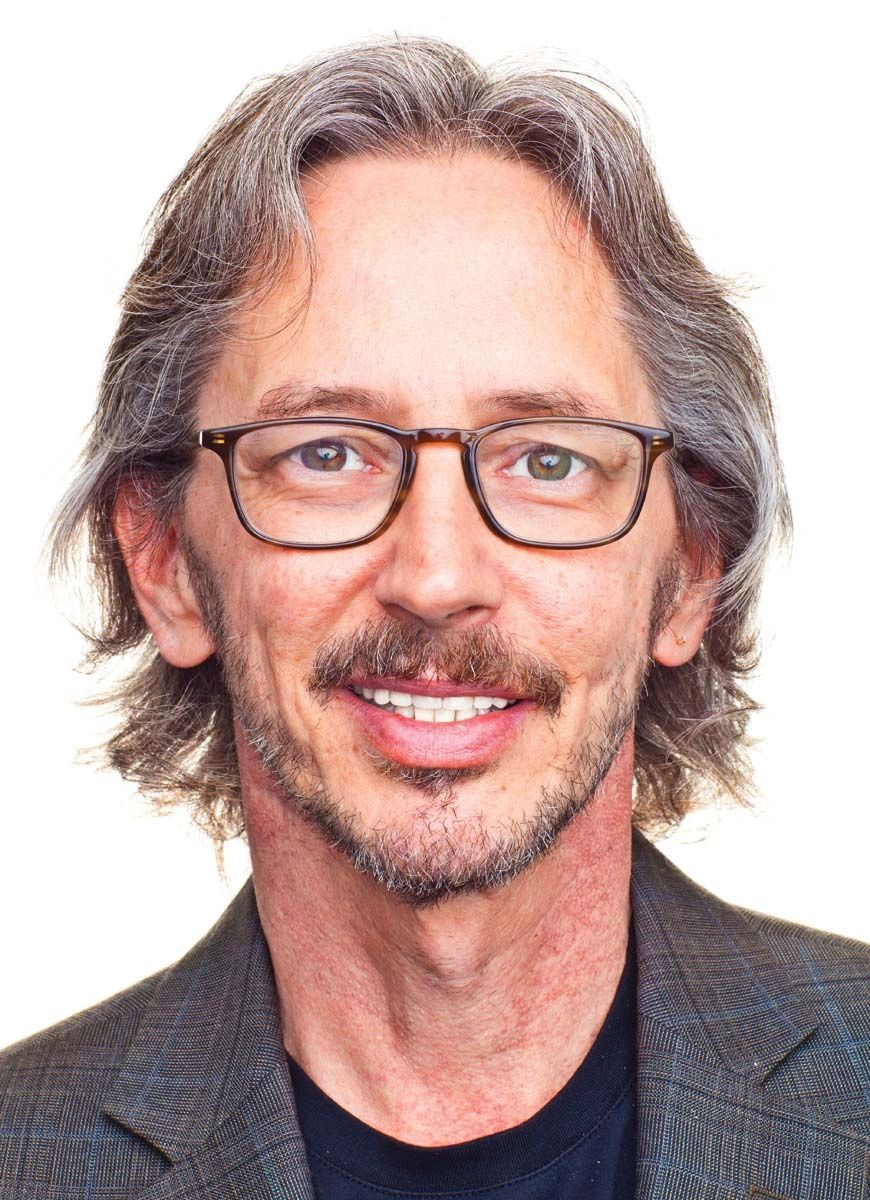
Kelly Wilson
Timeframe: (1962 – present)
What was their main focus of research?
Kelly G. Wilson is an American psychologist and one of the co-founders of Acceptance and Commitment Therapy (ACT), a widely practiced form of clinical behavioral therapy focusing on psychological flexibility through mindfulness, acceptance, and value-driven behavior. His work has emphasised how individuals can accept painful emotions and thoughts rather than avoid them, enabling meaningful action based on personal values. Wilson's research and teachings have contributed significantly to the development, dissemination, and clinical research foundation of ACT.
Where are they from:
Born in the United States
Qualifications:
Ph.D. in Psychology from the University of North Carolina at Chapel Hill
Professor Emeritus of Psychology at the University of Mississippi
Founding President of the Association for Contextual Behavioral Science (ACBS)
Author of over 100 articles and chapters related to ACT and contextual behavioral science
Known internationally for workshops, training, and consultancy in over 30 countries
Founded OneLife Education & Training, LLC for ACT clinical and research consultancy
Publications:
Acceptance and Commitment Therapy: The Process and Practice of Mindful Change (co-written with Steven Hayes and Kirk Strosahl)
The Wisdom to Know the Difference: An ACT Workbook for Overcoming Substance Abuse
Mindfulness for Two
Things Might Go Terribly, Horribly Wrong: Deadly Experiments and Human Error
Legacy:
Co-creator of ACT, part of the "third wave" of behavioral therapies alongside DBT and MBCT
His work promotes mindfulness, acceptance, cognitive defusion, and values-directed action as key therapeutic processes
Influential in advancing psychological flexibility as a core treatment goal in CBT and related fields
Respected teacher, mentor, and innovator with a global impact on clinical practice and research
Youtube links:
Kelly Wilson - Acceptance and Commitment Therapy (ACT)
ACT Psychological Flexibility Model Explainers
Podcasts:
Notes:
Francine Shapiro
Timeframe: (1948 – 2019)
What was their main focus of research?
Francine Shapiro was an American psychologist best known as the originator of Eye Movement Desensitisation and Reprocessing (EMDR), a groundbreaking form of psychotherapy for trauma and distressing life experiences. EMDR revolutionised trauma treatment by integrating elements of cognitive, behavioral, and physiological processing, and has become a globally recognised evidence-based therapy for post-traumatic stress disorder (PTSD) and related conditions. Shapiro’s research demonstrated that bilateral stimulation (often eye movements) can significantly reduce the distress of traumatic memories.
Where are they from:
Born in Brooklyn, New York, USA
Qualifications:
Bachelor’s degree in literature, Brooklyn College
Master’s in English literature, New York University
Ph.D. in clinical psychology, Professional School for Psychological Studies, San Diego
Senior research fellow at the Mental Research Institute, Palo Alto
Founder and executive director of the EMDR Institute (Watsonville, CA) and the EMDR Humanitarian Assistance Programs
Received many distinguished awards, including the International Sigmund Freud Award, the APA Trauma Division Award for Outstanding Contributions, and California Psychological Association honors
Spoke at global conferences, advised on trauma outreach, and authored or co-authored more than 60 peer-reviewed articles, book chapters, and books on trauma and EMDR
Publications:
Eye Movement Desensitisation and Reprocessing: Basic Principles, Protocols and Procedures (1995, 3rd ed. 2018)
Getting Past Your Past (2012)
EMDR as an Integrative Psychotherapy Approach (2002)
Numerous peer-reviewed journal articles on trauma, stress, and clinical research
Legacy
Created EMDR, now recommended by the American Psychiatric Association, WHO, and Department of Defense for trauma treatment
Founded organizations for trauma relief and professional training, providing EMDR’s benefits globally
EMDR has transformed clinical trauma care for millions and inspired decades of research on trauma recovery and information processing
Youtube links:
Francine Shapiro and EMDR Therapy
Podcasts:
Mark Solms
Timeframe: (1961 – present)
What was their main focus of research?
Mark Solms is an internationally recognized South African neuropsychologist and psychoanalyst, best known for pioneering neuropsychoanalysis—an interdisciplinary field integrating neuroscience and psychoanalytic theory. He discovered the brain mechanisms of dreaming and has conducted pivotal research on the neurological foundation of affect, consciousness, and mental disorders. Solms’ work focuses on bridging Freud’s foundational theories with modern neurological science, emphasising the neurological organisation of emotion and subjective experience.
Where are they from:
Born in Lüderitz, Namibia. He was educated and works in South Africa (University of Cape Town).
Qualifications:
Bachelor’s, Honours, Master’s, and PhD (Neuropsychology) from University of the Witwatersrand, South Africa
Clinical psychoanalysis training at the Institute of Psychoanalysis, London
Professor of Neuropsychology at University of Cape Town; Head of Neuropsychology at Groote Schuur Hospital
Director of the Arnold Pfeffer Center for Neuropsychoanalysis (New York Psychoanalytic Institute)
Founding President of the International Neuropsychoanalysis Society (2000)
Editor and translator of the Revised Standard Edition of the Complete Psychological Works of Sigmund Freud
Recipient of the Sigourney Prize and numerous other honors
Publications:
The Hidden Spring: A Journey to the Source of Consciousness (2021)
The Feeling Brain (2015, selected works)
Clinical Studies in Neuropsychoanalysis (Gradiva Award winner)
The Brain and the Inner World (translated into 13 languages)
More than 350 peer-reviewed articles and eight books on neuroscience and psychoanalysis
Legacy:
Solms pioneered the discipline of neuropsychoanalysis, transforming theory and practice in psychoanalysis worldwide
Made landmark discoveries in the neurobiology of dreaming and consciousness
Continues to advance collaborations between neuroscience, psychiatry, and psychoanalysis, influencing modern clinical approaches to affect, consciousness, and mental illness
His integrative approach and leadership roles continue to shape mind-brain science globally
Youtube links:
Mark Solms – Neuropsychoanalysis
The Hidden Spring and the Source of Consciousness
Podcasts:
John M. Grohol
Timeframe: (1966 – present)
What was their main focus of research?
John M. Grohol is an American psychologist, technologist, writer, and a pioneer in online mental health information and community support. Recognised for transforming access to mental health resources and combating stigma through technology, he founded Psych Central—the first and one of the largest online mental health communities, providing professionally-reviewed articles, forums, and assessment tools for millions of users worldwide. Grohol has worked to empower individuals to access trustworthy mental health information, building support communities, publishing mental health criteria online, and leading the development of self-help tools and open-source applications in mental healthcare.
Where are they from:
Born in the United States (based in Boston-area, Massachusetts)
Qualifications:
Psy.D. in Clinical Psychology from Nova Southeastern University (1995)
Clinical researcher, author, and advocate for consumer access to quality psychological information
Co-founder of Mental Health Net and multiple early mental health online communities
CEO and Editor-in-Chief of Psych Central (founded 1995, sold to Healthline in 2020)
Publisher of New England Psychologist, board member of multiple non-profits, including the Society for Participatory Medicine and International Foundation for Research and Education on Depression
Organiser, presenter, and keynote at dozens of major psychology and technology conferences, including APA and SXSW
Award-winning web designer, open-source developer, and consultant to behavioral healthcare companies
Publications:
he Insider’s Guide to Mental Health Resources Online (Guilford Press, 1996-2003)
Self-Help That Works (Oxford University Press, 2013, co-author)
Numerous articles, book chapters, and ongoing publication in professional trade publications
Regularly blogs and reports on science, ethics, and advances in digital mental health
Legacy:
Regarded as a foundational leader in making mental health knowledge and support both accessible and stigma-free through digital platforms
Created and managed some of the world’s largest and safest online mental health and neurological support communities, supporting hundreds of thousands worldwide
Major influence on public understanding of mental health, eHealth, and consumer participation in healthcare
Continues to advocate for ethical, evidence-based online psychology, education, and digital community support
Youtube links:
John M. Grohol – Connecting with Community Online
History of Psych Central and eTherapy
Podcasts:
James Pennebaker
Timeframe: (1950- current)
What was their main focus of research?
James Pennebaker is a distinguished social psychologist known for his research on the relationship between language, emotion, and health. He pioneered expressive writing therapy, demonstrating that writing about traumatic experiences improves physical and mental health. His work also includes the development of the Linguistic Inquiry and Word Count (LIWC) tool, which analyses language use to reveal psychological states, personality, and social behavior. Pennebaker's research bridges psychology, linguistics, and health, focusing on how natural language use serves as a window into cognition and emotion.
Where are they from:
United States (born in Midland, Texas)
Qualifications:
B.A. in Psychology from Eckerd College (1972)
Ph.D. in Psychology from University of Texas at Austin (1977)
Professor Emeritus of Psychology, University of Texas at Austin
Chair of Psychology Department (2005–2014)
Publications:
Opening Up: The Healing Power of Expressing Emotion (1997)
Numerous empirical research articles on language, trauma, health, and social behavior
Developer of LIWC, widely used in psychological and linguistic research
Youtube links:
The Science of Journalling Dr James Pennebaker
(Trigger warning perhaps here for people with ACES based PTSD / CPTSD this video speaks about these topics)
How to write expressively and heal yourself
Podcasts:
Angela Lee Duckworth
Timeframe: (1970 - current)
What was their main focus of research?
Angela Duckworth is a prominent psychologist focused on the role of non-IQ traits in success, particularly grit (defined as passion and perseverance for long-term goals) and self-control. Her research explores how these personal qualities predict achievement in educational, professional, and life contexts, often above and beyond talent or intelligence. Duckworth investigates ways to cultivate grit and self-control through education and character development initiatives, aiming to improve motivation and resilience.
Where are they from: United States (born and raised in Cherry Hill, New Jersey)
Qualifications:
B.A. in Neurobiology, Harvard University (1992)
M.Sc. in Neuroscience, University of Oxford (Marshall Scholar, 1996)
Ph.D. in Psychology, University of Pennsylvania (2006)
Professor of Psychology at the University of Pennsylvania
Founder and former CEO of Character Lab, a nonprofit advancing scientific insights on character development
Youtube links:
Grit: The Power of Passion and Perseverance | Angela Lee Duckworth
Tru Grit: Can Perseverance be taught?
Publications:
Grit: The Power of Passion and Perseverance (2016)
Podcasts: Co-host of the podcast No Stupid Questions
Carol Dweck
Qualifications:
Timeframe: (1946 - current)
What is the their main focus of research?
Carol Dweck is a renowned psychologist whose primary research focuses on motivation, personality, and self-conceptions. She is best known for her groundbreaking work on mindset, specifically the distinction between “fixed mindset” and “growth mindset.” Her research shows how beliefs about one's ability to change influence motivation, achievement, and responses to failure. Dweck’s work has profoundly impacted education, parenting, business, and psychology by promoting the value of effort, perseverance, and learning from challenges.
Where were they from? New York
Qualifications:
Bachelor's degree from Barnard College (1967)
Ph.D. in Psychology from Yale University (1972)
Professor of Psychology at Stanford University (currently Lewis and Virginia Eaton Professor of Psychology)
Previous faculty roles at University of Illinois, Harvard University, Columbia University
Graduated (Barnard College)
Ph.D. in Psychology (Yale University)
Publications:
Mindset: The New Psychology of Success (2006)
Numerous research articles on implicit theories of intelligence, motivation, and personality
Self-Theories: Their Role in Motivation, Personality, and Development (1999)
Youtube:
The pwoer of believing that you can improve
Podcasts:
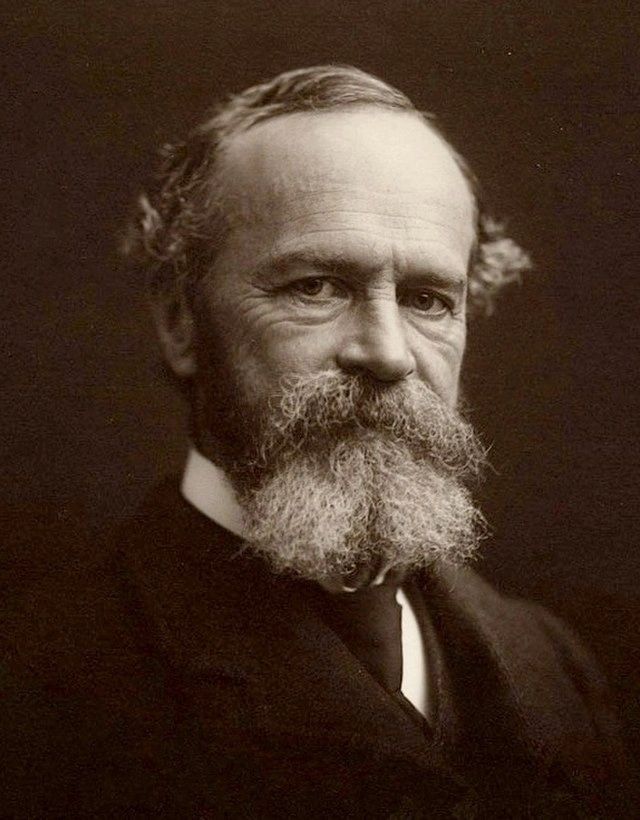
William James
Timeframe: (1842–1910)
What is the their main focus of research?
William James is considered the father of American psychology and a leading philosopher of pragmatism and functionalism. He focused on the study of consciousness, the stream of thought, and the practical effects of ideas. His work laid the foundation for understanding psychological phenomena through a functional perspective, emphasizing how mental processes help individuals adapt to their environment. James also developed the James-Lange theory of emotion, proposing that emotions arise from physiological responses to stimuli. His philosophical pragmatism holds that the truth of ideas is assessed by their practical consequences.
Where were they from?
United States (born in New York City)
Qualifications:
Medical degree, Harvard Medical School (1869)
Professor of Psychology and Philosophy, Harvard University
Established one of the first experimental psychology laboratories in the U.S.
Publications:
The Principles of Psychology (1890)
Essays in Radical Empiricism (1912)
The Varieties of Religious Experience (1902)
Pragmatism: A New Name for Some Old Ways of Thinking (1907)
Youtube references:
The Philosophy of William James
William James and the Sick Soul
Podcasts:

Karen Horney
Timeframe: (1885–1952)
What is the their main focus of research?
Karen Horney was a German-born American psychoanalyst who challenged many of Freud’s traditional ideas, emphasizing the role of cultural and social factors in personality development and neurosis. She pioneered feminist psychoanalysis, questioned Freud’s theories on female psychology (e.g., penis envy), and introduced the concept of “basic anxiety” as arising from childhood feelings of isolation and helplessness in a hostile world. Horney believed in the human capacity for growth and self-realisation, emphasising interpersonal relationships and the social environment’s impact on mental health.
Where were they from?
Blankenese, Hamburg Germany
Qualifications:
Medical degree from the University of Berlin (1911)
Early psychoanalytic training and work in Berlin’s Psychoanalytic Institute
Associate Director of the Institute for Psychoanalysis in Chicago (1932)
Lecturer at the New School for Social Research, New York
Founder of the Association for the Advancement of Psychoanalysis and the American Institute for Psychoanalysis
Dean of the American Institute for Psychoanalysis until her death
Publications:
The Neurotic Personality of Our Time (1937)
New Ways in Psychoanalysis (1939)
Self-Analysis (1942)
Our Inner Conflicts (1945)
Neurosis and Human Growth (1950)
Feminine Psychology (posthumous, 1967)
Youtube references:
Karen Horney & Feminine Psychology
Karen Horney's Psychoanalytic Social Theory and Neurosis
Podcasts:

Erich Fromm
Timeframe: (1900–1980)
What is the their main focus of research?
Erich Fromm was a German-American psychoanalyst, social psychologist, and philosopher who integrated Freudian psychoanalysis with sociological and cultural perspectives. He emphasized the role of society and culture in shaping personality and mental health, advocating that true mental well-being depends not only on individual psychology but on cultural conditions. Fromm explored human needs, freedom, alienation, and the impact of socio-political systems on the psyche, contributing foundational ideas to humanistic psychology and critical theory.
Where were they from?
Born in Frankfurt am Main, Germany; later emigrated to the United States
Qualifications:
Ph.D. in Sociology, University of Heidelberg (1922)
Trained as a psychoanalyst at the Berlin Psychoanalytic Institute
Faculty positions included Columbia University, Bennington College, Michigan State University, and National Autonomous University of Mexico
Co-founder of the William Alanson White Institute of Psychiatry, Psychoanalysis, and Psychology
Publications:
Escape from Freedom (1941)
The Art of Loving (1956)
Man for Himself: An Inquiry into the Psychology of Ethics (1947)
The Sane Society (1955)
Numerous essays on psychoanalysis, social theory, and philosophy
Youtube references:
Erich Fromm on Productiveness, Destructiveness & Authoritarianism 1963
Podcasts:
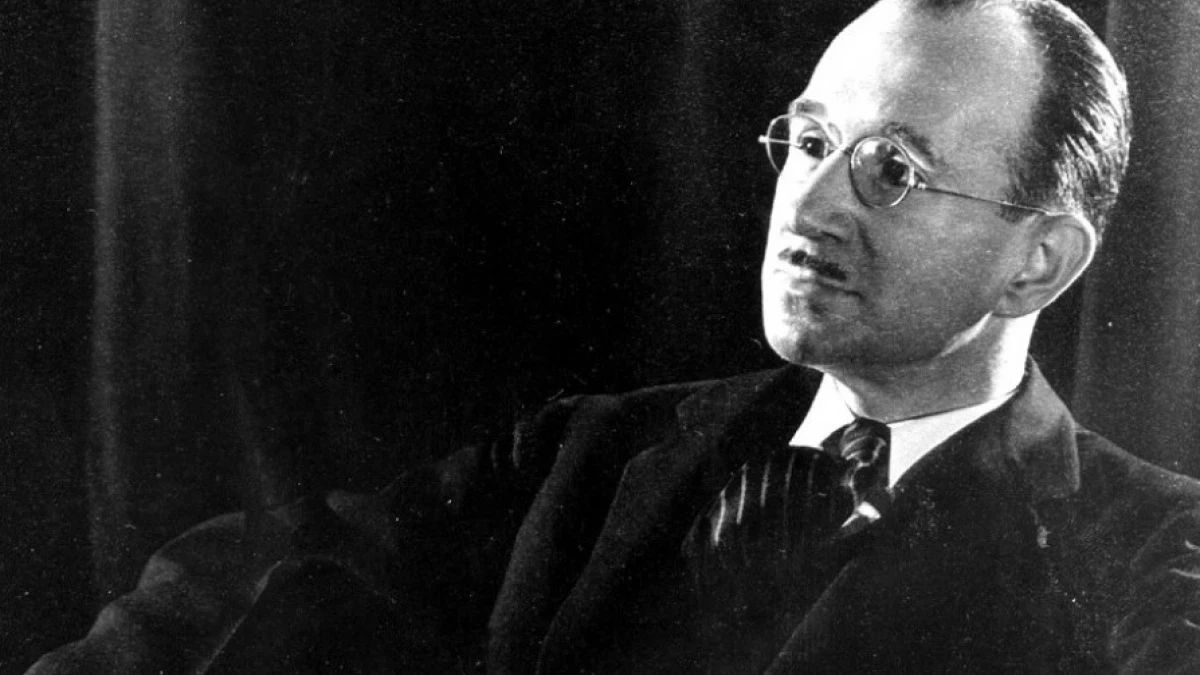
Harry Stack Sullivan
Timeframe: (1892–1949)
What is the their main focus of research?
Harry Stack Sullivan was an American psychiatrist who developed the interpersonal theory of psychiatry. He emphasized that psychiatric symptoms and personality development arise largely from interpersonal relationships and social interactions. Sullivan believed anxiety and mental illness stem from conflicts within human environments and that schizophrenia and psychosis could be better understood and treated by focusing on these interpersonal processes. His work contributed significantly to the psychotherapy of schizophrenia and helped integrate social and psychological perspectives.
Where were they from?
United States (born in Norwich, New York)
Qualifications:
M.D. from Chicago College of Medicine and Surgery (1917)
Psychiatrist at St. Elizabeth's Hospital, Washington D.C.
Co-founder of the William Alanson White Psychiatric Foundation
Professor and head of psychiatry at Georgetown University
Founder and editor of the journal Psychiatry
Publications:
Youtube references:
Sullivans Interpersonal Theory in depth
Podcasts: